Idaho National Engineering Laboratory (USDOE)
AEC TESTING RESERVATION, Idaho Falls, Idaho, 83401
Federal FacilityListed1989
Contaminants:96
Overview
The Idaho National Engineering Laboratory covers 890 square miles in southeastern Idaho and is owned and operated by the U.S. Department of Energy. Contamination began in 1949 through nuclear reactor testing, fuel processing, and waste disposal. The site was added to the National Priorities List (NPL) in November 1989 and is divided into 29 operable units, each addressing a distinct area or problem. Cleanup is governed by a Federal Facilities Agreement signed in 1992 by the Department of Energy, EPA, and the state of Idaho.
More than 200 chemical substances have been identified as contaminants of concern. Volatile organic compounds (VOCs) including trichloroethene, tetrachloroethene, and carbon tetrachloride are present in groundwater and soil. Heavy metals such as arsenic, lead, mercury, cadmium, chromium, beryllium, and selenium are widespread. Radioactive contaminants including plutonium isotopes, americium, uranium isotopes, cesium-137, strontium-90, and tritium appear in soil, groundwater, and solid waste. PCBs (polychlorinated biphenyls), nitrate, and other organic and inorganic compounds are also present. Contamination has reached the Snake River Plain Aquifer, which entered the site through unlined ponds and earthen ditches.
Cleanup actions that began in 1993 include groundwater and soil gas monitoring, engineered landfill covers, institutional controls, and removal and consolidation of contaminated soil and debris. Records of Decision have been issued for most operable units, covering technologies such as air stripping, soil vapor extraction, excavation, capping, and bioremediation. In 2002, the cleanup plan was updated to allow more waste to be disposed at the on-site Idaho CERCLA (Comprehensive Environmental Response, Compensation, and Liability Act) Disposal Facility rather than shipped off-site, reducing costs. A final remedial action started on September 7, 2023, with portions of the work estimated to continue through late 2027.
Human exposure is currently under control, and contaminated groundwater migration is stabilized with no unacceptable discharge to surface water. However, physical construction of the cleanup is not yet complete sitewide, and the site is not yet ready for anticipated reuse. The sources cite two different completion dates for the most recent five-year review: one states it was published in March 2022, and another states it was completed on February 3, 2026. Both agree the next review is due in spring 2027. The site remains on the NPL.
Community members can find public records at the INL Technical Library and DOE-ID Public Reading Room at 1776 Science Center Drive in Idaho Falls, the University of Idaho in Moscow, and Albertsons Library at Boise State University in Boise. The Administrative Record is also available online at http://ar.inel.gov/home.html. The EPA Remedial Project Manager or Community Involvement Coordinator can direct people to additional records and information.
Contaminants of Concern
96 contaminants across 8 media types
- CESIUM-137SoilSludgeGroundwaterSolid WasteLiquid Waste
- CARBON TETRACHLORIDESoilDebrisGroundwaterSolid Waste
- LEAD▾SoilOtherDebrisGroundwater
- MERCURYSoilOtherDebrisLiquid Waste
- TETRACHLOROETHENE▾SoilDebrisGroundwaterSolid Waste
- 1,1,1-TRICHLOROETHANESoilDebrisGroundwater
- Americium-241SoilGroundwaterSolid Waste
- BERYLLIUMSoilDebrisGroundwater
- CESIUMSoilSludgeGroundwater
- CHROMIUM▾SoilSludgeGroundwater
- COBALT-60SoilSludgeGroundwater
- TRICHLOROETHENE▾SoilGroundwaterSolid Waste
- 1,4-DIOXANEGroundwaterSolid Waste
- 2,4,6-TRINITROTOLUENESoilGroundwater
- ANTIMONYSoilGroundwater
- ARSENIC▾SoilGroundwater
- BENZO[A]PYRENESoilSediment
- CADMIUM▾SoilGroundwater
- GAMMA RADIOACTIVITY EMITTERSSoilGroundwater
- HEXAHYDRO-1,3,5-TRINITRO-1,3,5-TRIAZINE (RDX)SoilGroundwater
- MANGANESE▾SoilGroundwater
- NITRATESoilGroundwater
- PLUTONIUMDebrisLiquid Waste
- PLUTONIUM-239SoilSolid Waste
- POLYCHLORINATED BIPHENYLS (PCBs)SoilDebris
- POTASSIUM CYANIDESoilDebris
- POTASSIUM NITRATESoilDebris
- RADIOACTIVESoilDebris
- RADIUM-226SoilSolid Waste
- SELENIUMSoilGroundwater
- SILVERSoilSludge
- SODIUM CYANIDESoilDebris
- SODIUM NITRATESoilDebris
- STRONTIUMSoilGroundwater
- STRONTIUM-90GroundwaterSolid Waste
- TECHNETIUM-99SoilSolid Waste
- THORIUM-230SoilDebris
- TRITIUMSoilGroundwater
- URANIUMDebrisLiquid Waste
- URANIUM-234SoilGroundwater
- ZINC▾SoilGroundwater
- 4-METHYLHEPTYL 2-(2,4,5-TRICHLOROPHENOXY)PROPANOATEGroundwater
- AMERICIUMDebris
- AROCLOR 1242Soil
- BARIUMSoil
- BENZENE▾Soil
- BENZO(B)FLUORANTHENESoil
- BENZO[A]ANTHRACENESoil
- BIS(2-ETHYLHEXYL)PHTHALATEGroundwater
- CARBON-14Solid Waste
- CHLORINE (CL2)Groundwater
- CHROMIUM (III)▾Soil
- CHROMIUM(VI)▾Soil
- CHRYSENESoil
- CIS-1,2-DICHLOROETHENEGroundwater
- COBALTGroundwater
- COPPER▾Soil
- CYANIDESoil
- DIBENZO(A,H)ANTHRACENESoil
- DICHLOROMETHANE (METHYLENE CHLORIDE)Groundwater
- ETHYLBENZENESoil
- EUROPIUMSoil
- FLUORIDEGroundwater
- INDENO(1,2,3-CD)PYRENESoil
- INORGANICSDebris
- IODINE (I2)Groundwater
- IODINE-129Groundwater
- LEAD-210Solid Waste
- MERCURY COMPOUNDSSoil
- METALSSoil
- METHYL MERCURYSoil
- N,N-DIPROPYLNITROUS AMIDESoil
- NAPHTHALENESoil
- NEPTUNIUMSoil
- NICKEL▾Soil
- NITRATE/NITRITEGroundwater
- PLUTONIUM-238Soil
- PLUTONIUM-240Solid Waste
- PLUTONIUM-244Soil
- POTASSIUMDebris
- POTASSIUM HYDROXIDEDebris
- RADIONUCLIDESSoil
- RADIUM-228Solid Waste
- SODIUM HYDROXIDEDebris
- SULFURIC ACIDSoil
- THALLIUMSoil
- THALLIUM CHLORIDESoil
- THORIUM-232Soil
- TOLUENE▾Soil
- TOTAL PETROLEUM HYDROCARBONS (TPH)Soil
- TRANS-1,2-DICHLOROETHENEGroundwater
- URANIUM-235Soil
- URANIUM-238Soil
- VANADIUMSoil
- VOCSludge
- XYLENE (MIXED ISOMERS)▾Soil
Congressional Representation
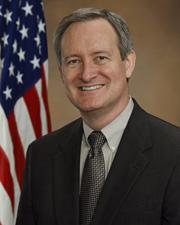
Sen. Mike Crapo
Sen. James E. Risch

Rep. Michael K. Simpson