Toftdahl Drums
22033 NE 189 ST, Brush Prairie, Washington, 98606
Listed1986
Contaminants:6
Overview
The Toftdahl Drums site covers 15 acres in Brush Prairie, Washington. In the early 1970s, drums holding industrial waste were cleaned and improperly disposed of there. Buried drums that could not be cleaned were crushed and placed in a trench. This contaminated soil, groundwater, and surface water, and threatened nearby residential drinking water wells.
Six contaminants have been identified at the site. Arsenic, cadmium, and chromium were found in soil. Copper, lead, and zinc contaminated groundwater. These are known as polychlorinated biphenyls (PCBs) and heavy metals. All six contaminants were addressed under the site's single cleanup unit.
EPA took several steps to clean up the site. Workers removed 38 drums in 1978 or 1982 and capped additional leaking drums in 1983. Between 1984 and 1985, crews excavated 20 pits to remove all remaining drums and visibly contaminated soils. EPA selected a long-term remedy in 1986 that called for no further action beyond groundwater and surface water monitoring. In 1997, EPA issued an Explanation of Significant Differences that updated the monitoring plan and included abandoning the site's water supply well.
The site was proposed to the National Priorities List in October 1984 and finalized on the list in June 1986. It was deleted from the list in December 1988 after cleanup goals were met. Human exposure is currently under control, with no unacceptable exposure pathways identified. All cleanup goals for current and anticipated future land uses have been achieved. Since cleanup was completed, eight single-family homes have been built on the property, returning it to residential use.
The site does not require Five-Year Reviews because the cleanup plan imposed no land or groundwater use restrictions. Community members interested in reuse of former Superfund sites can find more information through EPA's Superfund Redevelopment Program.
Contaminants of Concern
6 contaminants across 2 media types
- ARSENIC▾Soil
- CADMIUM▾Soil
- CHROMIUM▾Soil
- COPPER▾Groundwater
- LEAD▾Groundwater
- ZINC▾Groundwater
Congressional Representation
Sen. Maria Cantwell

Sen. Patty Murray
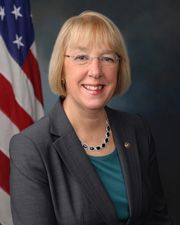
Rep. Marie Gluesenkamp Perez