Charles-George Reclamation Trust Landfill
CORNER DUNSTABLE & CUMMINGS RD, Tyngsborough, Massachusetts, 01879
Listed1983
Contaminants:37
Overview
The Charles-George Reclamation Trust Landfill covers 70 acres in Tyngsborough, Massachusetts. It operated as a municipal dump and later took in household and industrial waste, including volatile organic compounds and metal sludge, before the state ordered it closed in 1983. EPA added it to the National Priorities List in September 1983. The site is divided into four operable units covering the water supply, landfill cap, gas treatment and groundwater trench, and leachate pump and treat system.
More than 60 contaminants of concern have been identified at the site. Chlorinated compounds such as trichloroethene and tetrachloroethene appear in groundwater, landfill gas, and leachate. Heavy metals including arsenic, cadmium, chromium, copper, mercury, and silver are present in leachate and groundwater. Volatile organic compounds like benzene, toluene, and xylene occur in landfill gas, groundwater, and leachate. The site also contains solvents, ketones, phenolic compounds, and polycyclic aromatic hydrocarbons in sediment.
EPA has completed most of the physical cleanup work. A synthetic membrane cap, surface water management system, passive landfill gas venting system, and leachate collection system now control contamination on site. EPA extended the City of Lowell's water supply to 24 residential well users along Dunstable Road to Cannongate Road and the Cannongate Condominium complex, replacing contaminated private wells. The Massachusetts Department of Environmental Protection now operates the gas and groundwater collection systems. In 2017, a 3.56 megawatt solar photovoltaic facility was completed on the capped landfill with EPA oversight. In September 2025, EPA finalized changes to the cleanup plan that added site-specific contaminants of concern, improved the on-site groundwater collection system, and established on-site groundwater treatment. Work on operable unit four continues, with remedial action estimated to start between July and September 2028.
Human exposure is not occurring at unacceptable levels, contaminated groundwater migration has been stabilized, and physical construction is complete. The site achieved sitewide ready-for-anticipated-reuse status in December 2015. Institutional controls restrict land use, including preventing residential development, to protect the cleanup work. Massachusetts conducts annual groundwater monitoring, and EPA completed its seventh five-year review in June 2025. The site has not yet been deleted from the National Priorities List.
Community members can stay informed by reviewing site documents at the Tyngsboro Public Library at 25 Bryant Lane in Tyngsborough or at the EPA Region 1 Records and Information Center at 5 Post Office Square, Suite 100, Boston. Additional information is available at www.epa.gov/superfund/charlesgeorge. For questions, residents can contact EPA's Community Involvement Coordinator Aaron Shaheen or Remedial Project Manager Richard Fisher directly.
Contaminants of Concern
37 contaminants across 4 media types
- 1,1-DICHLOROETHENELeachateGroundwaterLandfill Gas
- ARSENIC▾LeachateSedimentGroundwater
- BENZENE▾LeachateGroundwaterLandfill Gas
- CADMIUM▾LeachateSedimentGroundwater
- TOLUENE▾LeachateGroundwaterLandfill Gas
- TRICHLOROETHENE▾LeachateGroundwaterLandfill Gas
- 1,1-DICHLOROETHANELeachateGroundwater
- 2-BUTANONE (METHYL ETHYL KETONE)LeachateGroundwater
- 2-METHYLPHENOL (O-CRESOL)LeachateGroundwater
- 4-METHYL-2-PENTANONE (METHYL ISOBUTYL KETONE)LeachateGroundwater
- 4-METHYLPHENOL (P-CRESOL)LeachateGroundwater
- ACETONELeachateGroundwater
- BENZOIC ACIDLeachateGroundwater
- CHROMIUM▾LeachateGroundwater
- COPPER▾LeachateGroundwater
- ETHYLBENZENELeachateGroundwater
- MERCURYLeachateGroundwater
- PHENOLLeachateGroundwater
- SILVERLeachateGroundwater
- XYLENE (MIXED ISOMERS)▾LeachateLandfill Gas
- 1,1,2-TRICHLOROETHANELandfill Gas
- 1,1,2,2-TETRACHLOROETHANELandfill Gas
- 1,2-DICHLOROETHANELandfill Gas
- ALUMINUMLeachate
- BARIUMLeachate
- BROMOFORMLandfill Gas
- BROMOMETHANELandfill Gas
- CARBON DISULFIDELandfill Gas
- CARBON TETRACHLORIDELandfill Gas
- CHLOROBENZENELandfill Gas
- CHLOROETHENE (VINYL CHLORIDE)▾Landfill Gas
- CHLOROFORMLandfill Gas
- DICHLOROMETHANE (METHYLENE CHLORIDE)Landfill Gas
- POLYCYCLIC AROMATIC HYDROCARBONS (PAHS)Sediment
- TETRACHLOROETHENE▾Landfill Gas
- TRANS-1,2-DICHLOROETHENELeachate
- VOCGroundwater
Congressional Representation
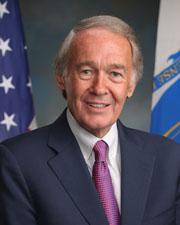
Sen. Edward J. Markey
Sen. Elizabeth Warren

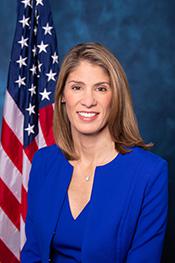
Rep. Lori Trahan