Nyanza Chemical Waste Dump

MEGUNKO RD, Ashland, Massachusetts, 01721

HRS Score
69.22
Listed
9/8/1983
Age
42.9 yrs
EPA Region
1

Overview

The Nyanza Chemical Waste Dump sits in Ashland, Massachusetts, where companies made textile dyes and related chemicals from 1917 to 1978. Chemical wastes, including heavy metals and chlorinated solvents, were disposed of on the property and in nearby wetlands. The EPA added the site to its National Priorities List in 1983 and split cleanup into four operable units covering the former plant property, off-site groundwater, wetlands and drainageways, and the Sudbury River.

More than 170 chemicals have been identified as contaminants of concern. Mercury, lead, arsenic, and chromium appear in soil, sediment, and surface water across multiple areas. Chlorinated solvents, including trichloroethene and tetrachloroethene, contaminate groundwater and soil gas. The Sudbury River carries mercury in its sediment and fish tissue. Wetlands show the broadest mix, with metals, polychlorinated biphenyls (PCBs), pesticides such as DDT and dieldrin, and polycyclic aromatic hydrocarbons found in sediment, water, and fish tissue.

Cleanup has been underway since the late 1980s. Contaminated soils and sludges on the former plant property were excavated in the late 1980s and early 1990s, and that work was completed in 1994. More than 45,000 cubic yards of mercury-contaminated sediment were removed from the wetlands between 1999 and 2001, with that phase wrapping up in 2002. The Sudbury River operable unit shifted to monitored natural recovery, and remedial action there was completed in 2017. A solar energy project was built on the engineered landfill cap and began operating on December 31, 2019, generating about 5.8 megawatts. Five on-site businesses currently operate at the property.

Off-site groundwater remains the most active cleanup area. Two extraction well systems went in during 2013, and the EPA issued a final groundwater remedy in 2020 that added chemical oxidation, pneumatic fracturing, directional wells, and institutional controls. A new remedial action phase is estimated to start in late 2026 or early 2027, with overall site construction targeted for completion between August and October 2028. Human exposure is currently assessed as under control, but contaminated groundwater migration is not yet stabilized. The most recent five-year review was completed in May 2024, the seventh such assessment for the site. Institutional controls restrict residential and other incompatible land uses and remain in place as long as contamination or cleanup components are present.

Community members with questions can contact the EPA's Community Involvement Coordinator or the Remedial Project Manager. Site records are available at the Ashland Public Library and the EPA Region 1 office in Boston.

Contaminants of Concern

76 contaminants across 7 media types

  • MERCURYSoilSludgeSedimentFish TissueGroundwaterSurface Water
  • 1,2-DICHLOROBENZENESedimentSoil GasGroundwaterSurface Water
  • 1,4-DICHLOROBENZENESedimentSoil GasGroundwaterSurface Water
  • CHLOROBENZENESedimentSoil GasGroundwaterSurface Water
  • NITROBENZENESedimentSoil GasFish TissueGroundwater
  • 1,2-DICHLOROETHENE (CIS AND TRANS MIXTURE)SedimentGroundwaterSurface Water
  • 1,2,4-TRICHLOROBENZENESedimentSoil GasGroundwater
  • ANTIMONYSedimentFish TissueGroundwater
  • BERYLLIUMSedimentGroundwaterSurface Water
  • BIS(2-ETHYLHEXYL)PHTHALATESedimentFish TissueSurface Water
  • VANADIUMSedimentFish TissueSurface Water
  • 1,3-DICHLOROBENZENESedimentGroundwater
  • 2-BUTANONE (METHYL ETHYL KETONE)SedimentGroundwater
  • ALUMINUMSedimentSurface Water
  • AROCLOR 1254SedimentFish Tissue
  • BARIUMSedimentSurface Water
  • DICHLOROMETHANE (METHYLENE CHLORIDE)Fish TissueGroundwater
  • DIELDRINFish TissueGroundwater
  • HEPTACHLORFish TissueGroundwater
  • METHYL MERCURYSedimentFish Tissue
  • NAPHTHALENESedimentGroundwater
  • P,P'-DDDSedimentFish Tissue
  • P,P'-DDESedimentFish Tissue
  • P,P'-DDTSedimentFish Tissue
  • SELENIUMSedimentFish Tissue
  • SILVERFish TissueSurface Water
  • THALLIUMSedimentFish Tissue
  • 1,1-DICHLOROETHENESurface Water
  • 1,1,1-TRICHLOROETHANEGroundwater
  • 2-CHLOROPHENOLGroundwater
  • 2-METHYLNAPHTHALENESediment
  • 4-(4-AMINO-3-METHYLPHENYL)-2-METHYLANILINEGroundwater
  • 4-CHLOROANILINEGroundwater
  • 4-METHYLPHENOL (P-CRESOL)Fish Tissue
  • ACENAPHTHYLENESediment
  • ACETONEFish Tissue
  • ALDRINFish Tissue
  • ANILINEGroundwater
  • ANTHRACENESediment
  • AROCLOR 1260Fish Tissue
  • BENZIDINEGroundwater
  • BENZO(B)FLUORANTHENESediment
  • BENZO(GHI)PERYLENESediment
  • BENZO(K)FLUORANTHENESediment
  • BENZO[A]ANTHRACENESediment
  • BENZO[A]PYRENESediment
  • CHLORDANEFish Tissue
  • CHLOROFORMGroundwater
  • CHRYSENESediment
  • DIBENZO(A,H)ANTHRACENESediment
  • DIBUTYL PHTHALATESediment
  • DIMETHYLMERCURYSediment
  • ENDOSULFAN (I OR II)Fish Tissue
  • FLUORANTHENESediment
  • INDENO(1,2,3-CD)PYRENESediment
  • N,N-DIPHENYLNITROUS AMIDEGroundwater
  • PENTACHLOROPHENOLGroundwater
  • PHENANTHRENESediment
  • PHENOLFish Tissue
  • POLYCHLORINATED BIPHENYLS (PCBs)Fish Tissue
  • PYRENESediment
  • TRICHLOROETHANE (MIXED ISOMERS)Groundwater
Congressional Representation

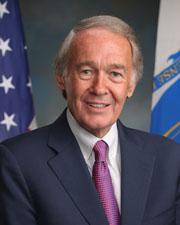
Sen. Edward J. Markey

Sen. Elizabeth Warren

Rep. Katherine M. Clark

Contacts

EPA
Olivia Lopez
Community Involvement Coordinator
Lisa Thuot
Remedial Project Manager

Site Details

EPA ID
MAD990685422
ZIP Code
01721
Congressional District
05
Federal Facility
No
Status
Active
Listing Date
09/08/1983
View EPA Site Profile →