Burgess Brothers Landfill
RTE 9, Woodford, Vermont, 05201
Listed1989
Contaminants:43
Overview
The Burgess Brothers Landfill sits in Woodford, Vermont and operated from the 1940s through the mid-1970s as a sand pit, salvage yard, and disposal facility. During that time it received metals, sludge, rejected appliances, military specialty batteries, and hazardous liquid waste. Between 1971 and 1976, roughly 2.4 million gallons of liquid waste containing trichloroethene and tetrachloroethene were deposited there, along with 241,000 pounds of lead sludge. Union Carbide Corporation's nearby battery plant also disposed of lead sludge and other hazardous wastes at the site. EPA listed the landfill on the National Priorities List on March 31, 1989.
EPA has identified 81 contaminants of concern spread across soil, groundwater, surface water, and sediment. Chlorinated solvents such as trichloroethene, tetrachloroethene, benzene, and vinyl chloride have been found in groundwater and surface water. Metals including lead, arsenic, mercury, cadmium, beryllium, chromium, and manganese are present in soil and water. Polycyclic aromatic hydrocarbons and other organic compounds are also present in soil. All of these contaminants are addressed under a single operable unit covering the entire site.
Cleanup began after potentially responsible parties agreed in 1991 to take responsibility. A landfill cap was finished in 1999. A soil vapor extraction system ran from 2000 to 2005 and again from 2007 to 2011. In 2013 and 2014, two groundwater interceptor trenches were built to capture contaminated groundwater moving away from the landfill. Since September 2015, the groundwater extraction and treatment system has functioned as designed. A 2011 amendment to the original cleanup decision added permeable reactive barriers, recovery trenches, and additional treatment technologies. Testing in 2016 found per- and polyfluoroalkyl substance levels below federal and state action levels near the site, and none in surface water.
EPA has determined that human exposure is under control. Contaminated groundwater is stabilized and is not discharging to surface water at unacceptable levels. The landfill itself is fenced, and nearby wetlands and national forest land used for recreation have not been affected by site contamination. The site reached sitewide ready for anticipated reuse status on May 24, 2016. Institutional controls such as zoning restrictions remain in place and will continue as long as contamination or cleanup components remain at the site. The most recent five-year review was completed on September 16, 2025.
Community members who want to learn more or ask questions can contact EPA's Community Involvement Coordinator or the Remedial Project Manager. State-level questions can be directed to the Vermont Department of Environmental Conservation. Site records are also available at the Bennington Public Library in Bennington, Vermont, and at the EPA Region 1 records center in Boston.
Contaminants of Concern
43 contaminants across 4 media types
- ARSENIC▾SoilSedimentGroundwaterSurface Water
- CHLOROETHENE (VINYL CHLORIDE)▾SoilSedimentGroundwaterSurface Water
- IRONSoilSedimentGroundwaterSurface Water
- LEAD▾SoilSedimentGroundwaterSurface Water
- MANGANESE▾SoilSedimentGroundwaterSurface Water
- 1,1-DICHLOROETHENEGroundwaterSurface Water
- 1,2-DICHLOROETHENE (CIS AND TRANS MIXTURE)GroundwaterSurface Water
- 4-METHYL-2-PENTANONE (METHYL ISOBUTYL KETONE)SoilSurface Water
- ALUMINUMSedimentSurface Water
- BERYLLIUMSoilSediment
- COPPER▾SedimentSurface Water
- MERCURYSedimentSurface Water
- NICKEL▾SedimentSurface Water
- TETRACHLOROETHENE▾GroundwaterSurface Water
- THALLIUMGroundwaterSurface Water
- TRICHLOROETHENE▾GroundwaterSurface Water
- ZINC▾SedimentSurface Water
- 1,2-DICHLOROETHANEGroundwater
- 1,4-DICHLOROBENZENEGroundwater
- 2-BUTANONE (METHYL ETHYL KETONE)Soil
- ACENAPHTHYLENESoil
- ANTIMONYSurface Water
- BENZENE▾Groundwater
- BENZO(B)FLUORANTHENESoil
- BENZO[A]ANTHRACENESoil
- BENZO[A]PYRENESoil
- BIS(2-ETHYLHEXYL)PHTHALATEGroundwater
- BROMODICHLOROMETHANESurface Water
- CADMIUM▾Sediment
- CARBON DISULFIDESurface Water
- CHLOROBENZENEGroundwater
- CHLOROFORMGroundwater
- CHROMIUM▾Sediment
- CIS-1,2-DICHLOROETHENEGroundwater
- COBALTSurface Water
- CYANIDESurface Water
- DICHLOROMETHANE (METHYLENE CHLORIDE)Groundwater
- INDENO(1,2,3-CD)PYRENESoil
- PHENANTHRENESoil
- SELENIUMSurface Water
- SILVERSurface Water
- THALLIUM COMPOUNDSGroundwater
- TRANS-1,2-DICHLOROETHENEGroundwater
Congressional Representation
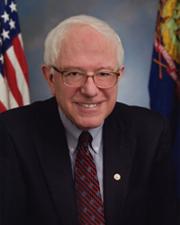
Sen. Bernard Sanders
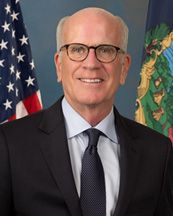
Sen. Peter Welch
Rep. Becca Balint