South Weymouth Naval Air Station
1134 MAIN STREET, Weymouth, Massachusetts, 02190
Federal FacilityListed1994
Contaminants:70
Overview
South Weymouth Naval Air Station is a 1,444-acre former military facility that operated from 1942 to 1997 across Weymouth, Abington, and Rockland, Massachusetts. The EPA added it to the National Priorities List (NPL) in 1994. The Navy and EPA signed a Federal Facility Agreement in 2000 to guide investigations and cleanup. The site has been divided into 27 operable units, each targeting a specific area or contamination type.
Contaminants include volatile organic compounds (VOCs) such as benzene, trichloroethene, and tetrachloroethene, along with polychlorinated biphenyls (PCBs), per- and polyfluoroalkyl substances (PFAS), arsenic, lead, mercury, dioxins, polycyclic aromatic hydrocarbons (PAHs), and pesticides. These contaminants appear in groundwater, soil, sediment, and surface water. The primary health risk pathway is people ingesting or contacting contaminants in soil and groundwater. EPA has determined that human exposure is currently under control across the entire site, but groundwater migration control status remains unclear due to insufficient data.
Completed cleanup actions include soil covers at the Westgate Landfill and Rubble Disposal Area, excavation and offsite disposal of contaminated soils, in-situ chemical oxidation, bioremediation, and permeable reactive barriers. Land use controls restrict groundwater use and future residential development on portions of the site. The US Coast Guard Buoy Depot was partially deleted from the NPL in 2019 after contaminated soils were removed. Cleanup of the Industrial Operations Area finished in 2020. A time-critical removal of PFAS-contaminated soils near the former Building 96 Fire Station and Hangar 1 was completed in January 2025. The remedial investigation and feasibility study for basewide PFAS contamination is estimated to finish between August and October 2028. The Solvent Release Area remedial action is estimated to wrap up between September and November 2027.
Physical construction of the cleanup is not yet complete sitewide, and the site has not been deleted from the NPL. The most recent five-year review was completed on July 9, 2024. Long-term groundwater monitoring and facility inspections continue across multiple operable units.
Community members can get involved through the site's active Restoration Advisory Board (RAB), which meets twice a year in hybrid format, typically in November or December and in May or June. Meetings are held at the Southfield Redevelopment Authority's meeting room. To join the mailing list for meeting notifications, contact the Navy's BRAC Environmental Coordinator. For questions, contact EPA's Community Involvement Coordinator.
Contaminants of Concern
70 contaminants across 5 media types
- ARSENIC▾SoilSedimentGroundwaterSolid Waste
- BENZO[A]PYRENESoilSedimentGroundwaterSolid Waste
- MANGANESE▾SoilSedimentGroundwaterSolid Waste
- BENZO(B)FLUORANTHENESoilSedimentGroundwater
- BENZO[A]ANTHRACENESoilSedimentGroundwater
- CHROMIUM▾SoilSedimentGroundwater
- DIBENZO(A,H)ANTHRACENESoilSedimentGroundwater
- INDENO(1,2,3-CD)PYRENESoilSedimentGroundwater
- LEAD▾SoilSedimentGroundwater
- POLYCHLORINATED BIPHENYLS (PCBs)SoilSedimentSolid Waste
- ZINC▾SoilSedimentGroundwater
- AROCLOR 1260SoilSediment
- BENZO(K)FLUORANTHENESoilSediment
- CADMIUM▾SoilSediment
- CHLOROETHENE (VINYL CHLORIDE)▾GroundwaterSurface Water
- CHRYSENESoilSediment
- CIS-1,2-DICHLOROETHENEGroundwaterSurface Water
- COBALTSoilSediment
- DIELDRINSoilSediment
- FLUORANTHENESoilSediment
- HEPTACHLOR EPOXIDESoilGroundwater
- IRONSoilSediment
- P,P'-DDDSoilSediment
- P,P'-DDTSoilSediment
- PHENANTHRENESoilSediment
- PYRENESoilSediment
- TETRACHLOROETHENE▾GroundwaterSurface Water
- THALLIUMSedimentGroundwater
- TRICHLOROETHENE▾GroundwaterSurface Water
- 1,1-DICHLOROETHANEGroundwater
- 1,1,1-TRICHLOROETHANEGroundwater
- 1,2-DIHYDROACENAPHTHYLENESediment
- 1,4-DIOXANEGroundwater
- 2-METHYLNAPHTHALENESediment
- 2,3,7,8-TETRACHLORODIBENZO-p-DIOXIN (TCDD) TOXICITY EQUIVALENTS (TEq)Soil
- 4-(4-AMINO-3-CHLOROPHENYL)-2-CHLOROANILINEGroundwater
- 4-METHYLPHENOL (P-CRESOL)Sediment
- 9H-CARBAZOLESediment
- 9H-FLUORENESediment
- ALDRINSediment
- ALPHA-CHLORDANESediment
- ALUMINUMSoil
- ANTHRACENESediment
- AROCLOR 1016Soil
- AROCLOR 1248Surface Water
- BARIUMGroundwater
- BENZENE▾Groundwater
- BENZO(GHI)PERYLENESediment
- BENZO[A]PYRENE EQUIVALENTS (BaPEq)Soil
- CHLOROFORMGroundwater
- COPPER▾Soil
- DIBENZOFURANSediment
- ENDOSULFAN IISediment
- GAMMA-CHLORDANESediment
- GAMMA-HEXACHLOROCYCLOHEXANE (LINDANE)Sediment
- HEPTACHLORSediment
- HEXACHLOROBENZENEGroundwater
- MERCURYSoil
- METHYL MERCURYSediment
- N,N-DIPROPYLNITROUS AMIDEGroundwater
- NAPHTHALENEGroundwater
- NICKEL▾Soil
- P,P'-DDESediment
- PENTACHLOROPHENOLGroundwater
- PERFLUOROOCTANE SULFONIC ACIDGroundwater
- PERFLUOROOCTANOIC ACID (PFOA)Groundwater
- POLYCYCLIC AROMATIC HYDROCARBONS (PAHS)Sediment
- TOLUENE▾Groundwater
- VANADIUMSoil
- VANADIUM, METAL AND/OR ALLOYSediment
Congressional Representation
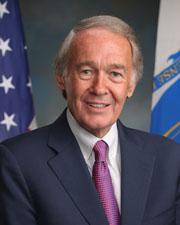
Sen. Edward J. Markey
Sen. Elizabeth Warren

Rep. Stephen F. Lynch
