Dewey Loeffel Landfill
MEAD ROAD, Nassau, New York, 12123
Listed2011
Contaminants:Not yet published
Overview
Dewey Loeffel Landfill sits in Nassau, Rensselaer County, New York. It accepted more than 46,000 tons of hazardous waste from the 1950s through the 1960s. Waste disposal companies, General Electric, Bendix Corporation, and Schenectady Chemicals deposited solvents, waste oils, polychlorinated biphenyls (PCBs), and sludges into a lagoon, oil pit, and drum burial area. The EPA added the site to the Superfund National Priorities List in March 2011.
Contamination spread into groundwater, soil, sediment, and surface water in the form of volatile organic compounds (VOCs), PCBs, and 1,4-dioxane. Groundwater contamination reaches roughly half a mile south of the landfill. Five residential drinking water wells were impacted by VOCs, and all five now use point of extraction treatment systems (POETs) to remove contaminants before water enters homes. The New York State Department of Health issued fish consumption advisories for Nassau Lake, the Valatie Kill, and Kinderhook Lake due to PCB contamination. Groundwater migration is currently under control, but human exposure assessment is incomplete due to insufficient data.
Cleanup is organized into four operable units covering sitewide issues, landfill groundwater, sediments, and Tributary T11A. A water treatment plant has been operating since late 2013, collecting and treating contaminated groundwater before discharging it to a nearby stream. Five additional extraction wells were installed in 2015. The landfill is capped with clay, and a soil and bentonite slurry wall limits contaminant movement. General Electric completed cleanup in upstream waterbodies and portions of Little Thunder Brook in 2018 and 2019. General Electric and SI Group finished field work for the landfill and groundwater investigation in 2025, with risk assessment and feasibility study work now underway. Sediment removal is expected to wrap up between September and November 2027.
The site has not yet reached a final remedy selection or construction completion. Three comprehensive investigations are ongoing to determine contamination extent and develop permanent cleanup options. No Records of Decision have been finalized for operable units covering landfill groundwater, sediments, or Tributary T11A.
Community members can get involved through the Community Advisory Group (CAG), formed in 2019. All CAG meetings are open to the public, and membership is voluntary. The CAG brings together residents and local elected officials to discuss cleanup decisions with the EPA and state agencies. The EPA also holds periodic public meetings. Site documents are available at the Nassau Free Library in Nassau, New York, or at the EPA Superfund Records Center at 290 Broadway in New York City. Residents with questions can contact the EPA's Community Involvement Coordinator or Remedial Project Manager directly.
Contaminants of Concern
The EPA has not published an official contaminant record for this site.
Congressional Representation
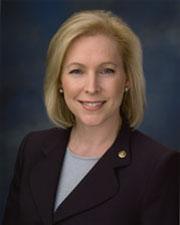
Sen. Kirsten E. Gillibrand
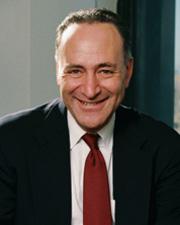
Sen. Charles E. Schumer
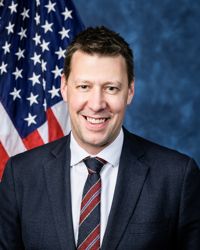
Rep. Josh Riley