Chem-Solv, Inc.
176A N DUPONT HIGHWAY, Cheswold, Delaware, 19901-4264
Listed1990
Contaminants:9
Overview
Chem-Solv, Inc. operated as a solvent recycling facility on a 1.5-acre property in Cheswold, Delaware from 1982 until an explosion and fire destroyed it in 1984. The fire contaminated the Columbia Aquifer with volatile organic compounds (VOCs), a broad class of carbon-based chemicals that evaporate easily. The site was added to the federal Superfund National Priorities List (NPL) in August 1990, marking it as a priority for cleanup.
Groundwater is the sole affected medium. EPA identified ten contaminants of concern, all found in groundwater. These include trichloroethene (TCE), tetrachloroethene, 1,1,1-trichloroethane, 1,2-dichloroethane, benzene, toluene, xylene, acetone, manganese, and 1,2-dichloroethane. A private well immediately downhill from the facility once measured TCE at 200 times the drinking water standard.
Thirty-three potentially responsible companies were ordered to carry out the cleanup. Work began in 1985 with soil excavation and an early groundwater recovery system. EPA issued a formal cleanup plan in 1992 calling for continued groundwater extraction and treatment, well replacement, and institutional controls. Between 1996 and 1998, contaminated private wells were replaced with deeper, clean-water wells. A full pump-and-treat system ran from 1997 to 2017, when sampling confirmed concentrations had dropped below cleanup goals. Physical construction of the remedy is now complete, and all cleanup goals have been achieved.
Human exposure to contaminated groundwater is under control. No unacceptable exposure pathways currently exist, and groundwater contamination is stabilized in the original affected area with no unacceptable discharge to surface water. Institutional controls remain in place to prevent groundwater use and restrict land uses inconsistent with current cleanup levels. Quarterly monitoring of site groundwater wells and semi-annual sampling of potable wells continue. The site was deleted from the NPL on August 18, 2022. One source notes the deletion date as August 17, 2022, but both sources agree the deletion occurred in August 2022. EPA's most recent five-year review, completed in 2018, concluded the remedy continues to protect public health and the environment.
Community members with questions can contact EPA's Remedial Project Manager or Community Involvement Coordinator. Records for the site can also be reviewed at the William C. Jason Library at Delaware State College in Dover, Delaware, or at the U.S. EPA Region 3 office in Philadelphia, Pennsylvania, by appointment.
Contaminants of Concern
9 contaminants across 1 media type
- 1,1,1-TRICHLOROETHANEGroundwater
- 1,2-DICHLOROETHANEGroundwater
- ACETONEGroundwater
- BENZENE▾Groundwater
- MANGANESE▾Groundwater
- TETRACHLOROETHENE▾Groundwater
- TOLUENE▾Groundwater
- TRICHLOROETHENE▾Groundwater
- XYLENE (MIXED ISOMERS)▾Groundwater
Congressional Representation
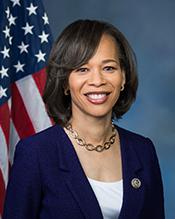
Sen. Lisa Blunt Rochester
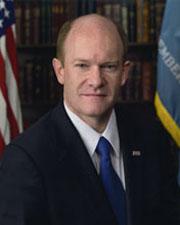
Sen. Christopher A. Coons
Rep. Sarah McBride