Escambia Wood - Pensacola
3910 N PALAFOX ST., Pensacola, Florida, 32522
Listed1994
Contaminants:29
Overview
The Escambia Wood Treating Company ran a 31-acre wood-treatment facility in Pensacola, Florida from 1942 to 1982, using creosote and pentachlorophenol, also called PCP. Waste handling practices spread contamination across about 120 acres of soil and created a 1.5-mile-long plume of contaminated groundwater. The company abandoned the site in 1991 and filed for bankruptcy. EPA added the site to the National Priorities List, or NPL, in December 1994.
EPA identified 40 chemical contaminants at the site. In soil, these include arsenic, lead, creosote, pentachlorophenol, naphthalene, dioxins, and several polycyclic aromatic hydrocarbons such as benzo[a]pyrene. Groundwater contaminants include benzene, naphthalene, pentachlorophenol, phenol, nitrobenzene, and creosote. Several contaminants appear in both soil and groundwater.
Cleanup is split into two operable units. For soil, EPA relocated more than 400 households from nearby neighborhoods between 1997 and 2008, demolished homes, and excavated contaminated soil into an on-site containment cell finished in 2007. Florida's Department of Environmental Protection has maintained the soil remedy since 2013. In 2019, EPA and the state deleted 50 acres of former residential property, covering the Oak Park, Escambia Arms, Herman and Pearl, and Clarinda Triangle neighborhoods, from the NPL. The 2022 Five-Year Review confirmed the soil remedy protects human health for industrial and commercial uses. For groundwater, EPA selected a remedy in 2008 and updated it in 2015 to add thermal treatment, aerobic bioremediation, air stripping, and multi-phase extraction. Active groundwater cleanup began in 2023, funded in part by the Bipartisan Infrastructure Law, with the U.S. Army Corps of Engineers providing support. In 2024, contractors collected baseline samples before starting thermal-enhanced extraction and in-situ treatment.
Human exposure at the site is currently under control. Direct contact with contaminated soil has been eliminated through containment and access controls, and the area is served by public water rather than local wells. However, groundwater migration is not yet stabilized and physical construction of the groundwater remedy is not complete, so additional work remains. Institutional controls restrict future land use to commercial and industrial purposes, and the Northwest Florida Water Management District requires approval before any new wells are installed in the area.
Community members can stay involved through public notices, meetings, and interviews organized by EPA. For questions about cleanup or site activities, two EPA contacts are available: Tonya Spencer-Harvey, the Community Involvement Coordinator, and Erik Spalvins, the Remedial Project Manager. Site records are also available for public review at the West Florida Genealogy Library in Pensacola.
Contaminants of Concern
29 contaminants across 2 media types
- 1,2-DIHYDROACENAPHTHYLENESoilGroundwater
- 2-METHYLNAPHTHALENESoilGroundwater
- 9H-CARBAZOLESoilGroundwater
- 9H-FLUORENESoilGroundwater
- BENZO[A]PYRENESoilGroundwater
- DIBENZOFURANSoilGroundwater
- NAPHTHALENESoilGroundwater
- PENTACHLOROPHENOLSoilGroundwater
- PHENANTHRENESoilGroundwater
- 1-METHYLNAPHTHALENEGroundwater
- 1,1'-BIPHENYLGroundwater
- 1,2,4-TRIMETHYLBENZENEGroundwater
- 1,3,5-TRIMETHYLBENZENEGroundwater
- 2,3,7,8-TETRACHLORODIBENZO-p-DIOXIN (TCDD)Soil
- 2,3,7,8-TETRACHLORODIBENZO-p-DIOXIN (TCDD) TOXICITY EQUIVALENTS (TEq)Soil
- 2,4-DIMETHYLPHENOLGroundwater
- 2,6-DINITROTOLUENEGroundwater
- 3-METHYLPHENOL (M-CRESOL)Groundwater
- 4-METHYLPHENOL (P-CRESOL)Groundwater
- ACENAPHTHYLENESoil
- ALUMINUMGroundwater
- ARSENIC▾Soil
- BENZENE▾Groundwater
- BENZO[A]PYRENE EQUIVALENTS (BaPEq)Soil
- CREOSOTEGroundwater
- DIOXINS AND DIBENZOFURANSSoil
- LEAD▾Soil
- NITROBENZENEGroundwater
- PHENOLGroundwater
Congressional Representation
Sen. Ashley Moody

Sen. Rick Scott

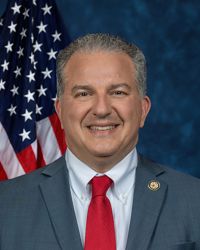
Rep. Jimmy Patronis