Gold Coast Oil Corp.
2835 SW 71 AVE, Miami, Florida, 33155-2802
Listed1983
Contaminants:7
Overview
Gold Coast Oil Corp. ran an oil and solvent reclamation facility on a two-acre site in Miami, Florida, from the early 1970s until 1982. Poor operational practices and improper waste disposal left contaminants in surface and subsurface soils and reached the Biscayne aquifer, which is the sole drinking water source for Dade County. EPA added the site to the National Priorities List (NPL) in 1983.
EPA identified eight chemical contaminants of concern at the site. These include 1,1-dichloroethane, dichloromethane (also called methylene chloride), lead, tetrachloroethene, toluene, trans-1,2-dichloroethene, and trichloroethene. Most were found in both soil and groundwater within the single operable unit at the site.
CSX Transportation, the site's primary responsible party, led cleanup under EPA and Florida Department of Environmental Protection oversight. Between 1989 and 1990, CSX removed nearly 900 tons of contaminated soil and installed a groundwater recovery and treatment system. That system treated over 80 million gallons of water, bringing contaminant levels in the aquifer down to within federal and state drinking water standards. Construction of the remedial action was completed on June 23, 1992, and long-term response action ran until December 1995.
EPA deleted the site from the NPL on October 9, 1996. A final Five-Year Review completed in September 2001 confirmed that cleanup continues to protect people and the environment. Human exposure is currently under control across the entire site, and contaminated groundwater is stabilized with no unacceptable discharge to surface water. All cleanup goals have been met for current and reasonably anticipated future land uses, and required land-use controls are in place. The site achieved sitewide ready for anticipated reuse status on March 1, 2012. No additional cleanup work is anticipated.
During the cleanup process, EPA held public meetings, conducted interviews, and issued public notices to keep residents informed and collect input. The site profile page remains available as a historical record. Community members with questions can contact the EPA's Remedial Project Manager. Site records are also available for public review at Florida International University Library, Room AT-235, at 11200 SW 8th Street in Miami, Florida 33199.
Contaminants of Concern
7 contaminants across 2 media types
- 1,1-DICHLOROETHANESoilGroundwater
- DICHLOROMETHANE (METHYLENE CHLORIDE)SoilGroundwater
- LEAD▾SoilGroundwater
- TETRACHLOROETHENE▾SoilGroundwater
- TOLUENE▾SoilGroundwater
- TRANS-1,2-DICHLOROETHENESoilGroundwater
- TRICHLOROETHENE▾SoilGroundwater
Congressional Representation
Sen. Ashley Moody

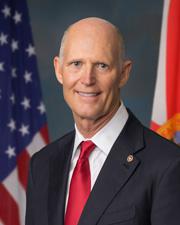
Sen. Rick Scott
Rep. Maria Elvira Salazar