Kassauf-Kimerling Battery Disposal
The end of N. 58th St. north of E. Columbus Dr., Tampa, Florida, 33619
Listed1983
Contaminants:3
Overview
The Kassauf-Kimerling Battery Disposal site, also known as the 58th Street Landfill, sits in Tampa, Florida. It started as a peat extraction area and was converted to a landfill in the 1970s. Past waste handling left arsenic, cadmium, and lead in soil, surface water, wetland sediment, and groundwater. The EPA added the site to the National Priorities List in 1993 and organized cleanup into two main areas: the landfill and the marsh and wetland area.
Cleanup work included digging up and treating contaminated materials, solidifying and stabilizing contaminated soil and sediment, placing a soil cover over stabilized material, and permanently flooding the east wetland to keep sediment in place. Wetlands were also restored. Responsible parties carried out these actions, and EPA declared physical construction complete by September 1998. The site was deleted from the National Priorities List on October 2, 2000, and reached ready-for-anticipated-reuse status on September 24, 2015.
Human exposure is currently under control. Groundwater monitoring is ongoing to confirm that soil stabilization is holding. Institutional controls limit land use on the main facility and nearby marsh. Zoning restrictions prevent residential development and other uses inconsistent with cleanup levels. The Southwest Florida Water Management District has designated the site and surrounding area as a groundwater delineation area, so any new well requires District approval before installation.
The EPA has conducted five-year reviews at regular intervals since 1999. One review, published in 2014, found that cleanup actions are protective of human health and the environment in the short term. A separate source notes the most recent five-year review was completed on August 15, 2024, and the next is planned for 2029. Community members can stay involved through public notices and public meetings. Documents related to Superfund work at the site are available at the Tampa Hillsborough Library at 900 N. Ashley Drive in Tampa.
Contaminants of Concern
3 contaminants across 3 media types
- LEAD▾SoilSedimentSurface Water
- ARSENIC▾Soil
- CADMIUM▾Soil
Congressional Representation
Sen. Ashley Moody

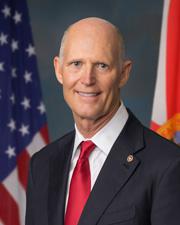
Sen. Rick Scott
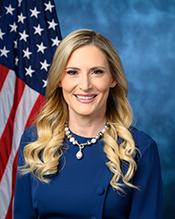
Rep. Laurel M. Lee