Coleman-Evans Wood Preserving Co.
101 CELERY ST, Whitehouse, Florida, 32220-1806
Listed1983
Contaminants:2
Overview
The Coleman-Evans Wood Preserving Co. site covers 11 acres in Whitehouse, Florida, where wood preservation operations ran from 1954 to the mid-1980s. Those operations contaminated soil, sediment, and groundwater. The EPA added the site to the National Priorities List (NPL) in September 1983, then deleted it in May 2014 after cleanup goals were met.
The two main contaminants of concern are dioxins (chlorinated dibenzodioxins) in soil and pentachlorophenol in both soil and groundwater. Contamination spread on site and into a nearby residential area. Local drinking water supply wells were not affected because a clay layer separates shallow groundwater from the deeper aquifer used for drinking water. The St. John's River Water Management District has designated the area a groundwater delineation zone, so any new wells require the District's approval.
Cleanup happened in several phases. Between 1986 and 1994, the EPA removed immediate threats through emergency actions, including excavating two disposal pits, removing contaminated structures, and cleaning up residential areas. The final remedy selected in 1997 called for excavating and thermally treating contaminated soil and running a pump-and-treat system for groundwater. From 1999 to 2004, more than 210,000 tons of soil and 73.5 million gallons of groundwater and stormwater were treated, and roughly 320,000 gallons of hazardous liquids were disposed of. In 2005, the EPA shifted to monitored natural attenuation for remaining groundwater contamination. Soil cleanup finished in 2007. A separate operable unit addressed residual dioxin in soil using excavation, onsite containment, and an engineered cap, with that work running from May 2007 through August 2008.
Today, a clay cap covers residual soil contamination, and institutional controls prohibit residential use and bar new drinking water wells on the site. The City of Jacksonville owns the site and handles operations and maintenance with support from Florida. Human exposure is currently under control, and groundwater migration is stabilized with no unacceptable discharge to surface water. The EPA completed its sixth Five-Year Review in June 2024, confirming the remedy continues to protect human health and the environment.
Community members can stay informed through public notices, public meetings, and interviews that the EPA conducts as part of its community involvement program. Site documents are available at the West Regional Jacksonville Public Library at 1425 Chaffee Road in Jacksonville, Florida.
Contaminants of Concern
2 contaminants across 2 media types
- PENTACHLOROPHENOLSoilGroundwater
- DIOXINS (CHLORINATED DIBENZODIOXINS)Soil
Congressional Representation
Sen. Ashley Moody

Sen. Rick Scott

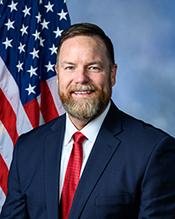
Rep. Aaron Bean