North Carolina State University (Lot 86, Farm Unit #1)
CARTER-FINLEY STADIUM, Raleigh, North Carolina, 27607
Listed1986
Contaminants:38
Overview
North Carolina State University's Lot 86, Farm Unit #1 is a 1.5-acre Superfund site in Raleigh, North Carolina. From 1969 to 1980, the university disposed of laboratory and agricultural research waste, including solvents, pesticides, heavy metals, acids, and low-level radioactive materials, in trenches on the property. The EPA added it to the National Priorities List in 1986 due to contaminated soil and groundwater.
Groundwater contains chlorinated solvents such as tetrachloroethane, trichloroethane, trichloroethene, tetrachloroethene, and vinyl chloride, along with metals including arsenic, lead, chromium, and manganese, and radioactive tritium. Soil contaminants include chlorinated compounds, pesticides like alpha-chlordane and dieldrin, the PCB mixture Aroclor 1260, and heavy metals such as chromium and nickel. All contamination is located within Operable Unit 01.
North Carolina State University, as the responsible party, has led cleanup under EPA and state oversight. Contaminated soil was treated through stabilization and solidification by 1999. A groundwater extraction and treatment system started operating in 2006, pulling contaminated water to the surface and discharging treated water to the city sewer. Institutional controls restrict land use, and fencing limits site access. From 2007 to 2019, a solar energy project operated on part of the property. The site reached sitewide ready-for-anticipated-reuse status in 2014.
Current assessments confirm that human exposure is under control, with no unacceptable exposure pathways present. Groundwater migration is also under control, with contamination stabilized in its original area and no unacceptable discharge to surface water. The university continues groundwater treatment and monitoring. The most recent Five-Year Review, completed September 27, 2023, confirmed the remedy protects human health and the environment. The next review is estimated between September and November 2028. The site remains on the National Priorities List.
Community members can stay involved through EPA public notices, public meetings, and interviews about cleanup progress. For questions, residents can contact the EPA's Community Involvement Coordinator or Remedial Project Manager.
Contaminants of Concern
38 contaminants across 2 media types
- 1,2-DICHLOROETHANESoilGroundwater
- 1,2-DICHLOROPROPANESoilGroundwater
- CHLOROFORMSoilGroundwater
- CHROMIUM▾SoilGroundwater
- DICHLOROMETHANE (METHYLENE CHLORIDE)SoilGroundwater
- DIELDRINSoilGroundwater
- NICKEL▾SoilGroundwater
- 1,1-DICHLOROETHENEGroundwater
- 1,1,2-TRICHLOROETHANEGroundwater
- 1,1,2,2-TETRACHLOROETHANEGroundwater
- 1,2-DICHLOROETHENE (CIS AND TRANS MIXTURE)Groundwater
- 2-HEXANONEGroundwater
- 3,5,5-TRIMETHYLCYCLOHEX-2-EN-1-ONEGroundwater
- 4-METHYL-2-PENTANONE (METHYL ISOBUTYL KETONE)Groundwater
- ACETONEGroundwater
- ALPHA-CHLORDANESoil
- AROCLOR 1260Soil
- ARSENIC▾Groundwater
- BARIUMGroundwater
- BENZENE▾Groundwater
- BIS(2-ETHYLHEXYL)PHTHALATESoil
- BROMODICHLOROMETHANEGroundwater
- BROMOFORMGroundwater
- CARBON TETRACHLORIDEGroundwater
- CHLOROBENZENEGroundwater
- CHLOROETHENE (VINYL CHLORIDE)▾Groundwater
- COBALTGroundwater
- COPPER▾Groundwater
- DIBROMOCHLOROMETHANEGroundwater
- GAMMA-CHLORDANESoil
- GAMMA-HEXACHLOROCYCLOHEXANE (LINDANE)Groundwater
- LEAD▾Groundwater
- MANGANESE▾Groundwater
- TETRACHLOROETHENE▾Groundwater
- TOLUENE▾Groundwater
- TRICHLOROETHENE▾Groundwater
- TRITIUMGroundwater
- ZINC▾Groundwater
Congressional Representation
Sen. Ted Budd
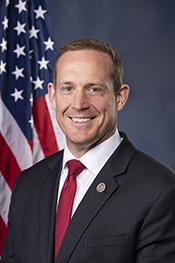
Sen. Thomas Tillis
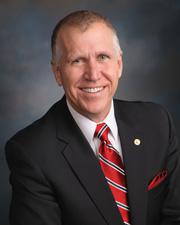
Rep. Deborah K. Ross