Charles Macon Lagoon & Drum Storage
COUNTY RD 1103, Cordova, North Carolina, 28330
Listed1987
Contaminants:33
Overview
A waste oil recycling facility operated in Cordova, North Carolina from 1979 to 1982, leaving behind contaminated soil and groundwater. The EPA added the site to the National Priorities List (NPL) in 1987. The NPL is the federal government's list of the most serious hazardous waste sites in the country. The site is also known by the names Macon Machine Co and Macon Site 1 MI S of Cordova.
EPA identified 33 contaminants of concern across soil and groundwater. Groundwater contains volatile organic compounds (VOCs) such as trichloroethene, tetrachloroethene, benzene, toluene, and xylene, along with metals including lead, mercury, cadmium, and chromium, and compounds like cyanide and chloroform. Soil contamination included tetrachloroethene and several polycyclic aromatic hydrocarbons (PAHs), a group of chemicals that form during the burning of organic materials.
Cleanup began in earnest between 1983 and 1984, when EPA removed 3,123 tons of waste and 137,000 gallons of oil. A long-term cleanup plan was finalized in 1991 and called for soil vapor extraction, biological treatment, and groundwater treatment. The potentially responsible parties completed construction of these systems by 1996. Soil cleanup was declared successful after the vapor extraction system was shut down in 2000. Groundwater contamination remains but is confined within the property boundary and is actively treated through extraction, treatment, and discharge to infiltration galleries. Private wells near the site sit upgradient, meaning water flows away from them rather than toward them from the contaminated area. Five-Year Reviews in 2015 and 2020 confirmed the cleanup continues to protect human health and the environment. The site reached "sitewide ready for anticipated reuse" status in September 2020, though it has not yet been deleted from the NPL.
Current land uses include agriculture, recreation, hunting, fishing, and limited residential activity. Institutional controls such as zoning restrictions are in place to limit land use and prevent exposure to remaining groundwater contamination. Human exposure is considered under control, and groundwater migration is stabilized within the original contamination area.
Community members can stay involved through EPA outreach efforts, which include public notices, public meetings, and interviews about cleanup progress. Site documents are available at Leath Memorial Library, 412 E Franklin Street, Rockingham, North Carolina 28739. Two EPA contacts are available for questions: Ron Tolliver, the Community Involvement Coordinator, and Anita Saha, the Remedial Project Manager.
Contaminants of Concern
33 contaminants across 2 media types
- TETRACHLOROETHENE▾SoilGroundwater
- 1,1-DICHLOROETHANEGroundwater
- 1,1-DICHLOROETHENEGroundwater
- 1,1,1-TRICHLOROETHANEGroundwater
- 1,2-DICHLOROETHENE (CIS AND TRANS MIXTURE)Groundwater
- 3,5,5-TRIMETHYLCYCLOHEX-2-EN-1-ONEGroundwater
- ACETONEGroundwater
- ANTIMONYGroundwater
- BARIUMGroundwater
- BENZENE▾Groundwater
- BENZO(B)FLUORANTHENESoil
- BENZO(K)FLUORANTHENESoil
- BENZO[A]ANTHRACENESoil
- BENZO[A]PYRENESoil
- BERYLLIUMGroundwater
- CADMIUM▾Groundwater
- CHLOROETHENE (VINYL CHLORIDE)▾Groundwater
- CHLOROFORMGroundwater
- CHROMIUM▾Groundwater
- CHRYSENESoil
- CYANIDEGroundwater
- DIBENZO(A,H)ANTHRACENESoil
- DICHLOROMETHANE (METHYLENE CHLORIDE)Groundwater
- INDENO(1,2,3-CD)PYRENESoil
- LEAD▾Groundwater
- MANGANESE▾Groundwater
- MERCURYGroundwater
- NICKEL▾Groundwater
- TOLUENE▾Groundwater
- TRICHLOROETHENE▾Groundwater
- VANADIUMGroundwater
- XYLENE (MIXED ISOMERS)▾Groundwater
- ZINC▾Groundwater
Congressional Representation
Sen. Ted Budd
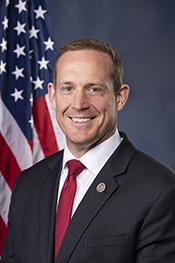
Sen. Thomas Tillis

Rep. Mark Harris