JFD Electronics/Channel Master
INDUSTRY DRIVE, Oxford, North Carolina, 27565
Listed1989
Contaminants:17
Overview
The JFD Electronics/Channel Master site is a 13-acre former manufacturing property in Oxford, Granville County, North Carolina. The facility made antennas and amplifiers from 1961 to 1984, then handled packaging and distribution until 2003. Disposal of electroplating and metal conversion sludge into an on-site lagoon contaminated the groundwater, soil, and sludge with metals and chemical solvents. EPA placed the site on the Superfund National Priorities List (NPL) in October 1989. The site borders a residential area to the east that includes low-income and minority residents, as well as the Oak Ridge Apartments.
EPA has identified 21 contaminants at the site. Groundwater contains chlorinated solvents, including trichloroethene, tetrachloroethene, vinyl chloride, benzene, and related compounds, along with metals such as chromium, copper, lead, nickel, zinc, barium, and cyanide. Soil contamination includes metals and the metalloid antimony, with chromium, copper, lead, nickel, zinc, cadmium, and cyanide also present.
Cleanup began in the 1990s. Workers excavated contaminated sludge and soil for off-site disposal, installed an engineered cap over backfilled areas, and built a pump-and-treat system that started operating in 1998. The system was modified and restarted in 2000 after cyanide concentrations exceeded discharge limits. A 2010 review found the system was not working as intended and the groundwater plume extended beyond the capture zone. Vapor intrusion testing at the Oak Ridge Apartments in 2013 found no complete pathway for contamination to reach indoor air at levels above EPA safety targets. A survey found private water wells within a half-mile of the site, but none are currently affected by site contamination. As of 2019, more than 124 million gallons of groundwater had been treated. Institutional controls prohibit potable water well installation and limit the site to industrial land use only. Construction was completed in September 2000, and long-term maintenance has continued since May 2002. The most recent five-year review took place in September 2025. The site has not yet been deleted from the NPL, and cleanup goals have not been fully achieved across all current and future land uses.
Community members can review site records at the Richard H. Thornton Library at 210 Main Street, Oxford, NC 27565. EPA also holds public meetings and issues public notices to keep residents informed. To ask questions or get involved, residents can contact EPA's Community Involvement Coordinator or the remedial project managers.
Contaminants of Concern
17 contaminants across 2 media types
- CHROMIUM▾SoilGroundwater
- COPPER▾SoilGroundwater
- CYANIDESoilGroundwater
- NICKEL▾SoilGroundwater
- ZINC▾SoilGroundwater
- 1,1-DICHLOROETHENEGroundwater
- 1,1,1-TRICHLOROETHANEGroundwater
- 1,2-DICHLOROETHANEGroundwater
- 1,2-DICHLOROETHENE (CIS AND TRANS MIXTURE)Groundwater
- ANTIMONYSoil
- BARIUMGroundwater
- BENZENE▾Groundwater
- CADMIUM▾Soil
- CHLOROETHENE (VINYL CHLORIDE)▾Groundwater
- LEAD▾Groundwater
- TETRACHLOROETHENE▾Groundwater
- TRICHLOROETHENE▾Groundwater
Congressional Representation
Sen. Ted Budd
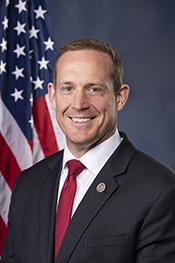
Sen. Thomas Tillis

Rep. Brad Knott