Sauget Area 2
MONSANTO AVENUE, Sauget, Illinois, 62201
Proposed9/13/2001
Contaminants30
Overview
Sauget Area 2 covers 312 acres in Sauget, Illinois, and holds four landfills and four backfilled lagoons left over from past waste treatment and disposal. The site is proposed for the National Priorities List (NPL), the federal government's roster of the most contaminated sites in the country. Cleanup work has been underway since 2000, but physical construction is not yet complete and cleanup goals have not been fully met for all planned land uses.
The site contains 35 confirmed contaminants. Volatile organic compounds (VOCs) include benzene, trichloroethene, and tetrachloroethene. Heavy metals such as arsenic, cadmium, lead, and manganese are present, along with pesticides including dieldrin and DDT, polychlorinated biphenyls (PCBs), chlorinated dioxins and furans, and various chlorinated hydrocarbons. Most contaminants sit in solid waste. Chlorinated dioxins and furans are also detected in soil gas and air, and PCBs are found in air and soil gas as well. Workers who dig at the site could inhale VOCs or come into direct skin contact with contaminated soil and waste.
Responsible parties are carrying out cleanup under state and federal oversight. Key milestones include drum and soil removal at landfill Site Q starting in 2000, completion of a Groundwater Migration Containment System barrier wall next to the Mississippi River in 2005, and capping of Site P in December 2021. A Consent Decree signed in November 2021 requires cleanup of the remaining sites, labeled O, Q, R, and S. The site is organized into operable units. Operable Unit 1 covers source areas and uses a mix of capping, excavation, incineration, soil vapor extraction, groundwater extraction, and institutional controls. Operable Unit 2 targets groundwater at Site R using extraction wells, onsite treatment, and a slurry wall barrier. Remedial action for the source areas is estimated to conclude between December 2026 and February 2027.
EPA assessments show that human exposure is currently under control across the entire site, with no unacceptable exposure pathways active. Contaminated groundwater migration is also stabilized, and there is no unacceptable discharge to surface water. EPA will continue monitoring to confirm that affected groundwater stays within its original contamination area. Seven businesses now operate on portions of the site, employing 55 people and generating roughly 68.1 million dollars in annual sales.
Community members who want to learn more can review site records at Cahokia Public Library, located at 140 Cahokia Ave. in Cahokia, Illinois. They can also contact EPA staff directly using the information below. A five-year review was completed in June 2023, with the next review estimated for mid-to-late 2028.
Contaminants of Concern
30 contaminants across 3 media types
- CHLORINATED DIOXINS AND FURANSAirSoil GasSolid Waste
- POLYCHLORINATED BIPHENYLS (PCBs)AirSoil GasSolid Waste
- (4-CHLORO-2-METHYLPHENOXY)ACETIC ACIDSolid Waste
- 1,2-DICHLOROETHANESolid Waste
- 1,2-DICHLOROETHENE (CIS AND TRANS MIXTURE)Solid Waste
- 1,2,4-TRICHLOROBENZENESolid Waste
- 1,4-DICHLOROBENZENESolid Waste
- 2-METHYLNAPHTHALENESolid Waste
- 2,4-DICHLOROPHENOLSolid Waste
- 4-CHLOROANILINESolid Waste
- ARSENIC▾Solid Waste
- BENZENE▾Solid Waste
- BENZO(B)FLUORANTHENESolid Waste
- BENZO(K)FLUORANTHENESolid Waste
- BENZO[A]PYRENESolid Waste
- CADMIUM▾Solid Waste
- CHLOROBENZENESolid Waste
- CHLOROFORMSolid Waste
- CHLOROMETHANESolid Waste
- DIBENZO(A,H)ANTHRACENESolid Waste
- DIELDRINSolid Waste
- LEAD▾Solid Waste
- MANGANESE▾Solid Waste
- NAPHTHALENESolid Waste
- P,P'-DDTSolid Waste
- PYRENESolid Waste
- TETRACHLOROETHENE▾Solid Waste
- TOLUENE▾Solid Waste
- TRICHLOROETHENE▾Solid Waste
- XYLENE (MIXED ISOMERS)▾Solid Waste
Congressional Representation
Sen. Tammy Duckworth

Sen. Richard J. Durbin

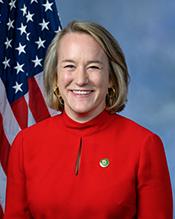
Rep. Nikki Budzinski