Southeast Rockford Ground Water Contamination
2613 S 11TH ST, Rockford, Illinois, 61109
Listed1989
Contaminants:33
Overview
The Southeast Rockford Ground Water Contamination site covers a 7.5-square-mile area of southeastern Rockford, Illinois. Investigations from 1981 to 1988 found that private and municipal wells held contaminants above federal health standards. The site was added to the National Priorities List (NPL) in 1989, making it eligible for federally funded cleanup under the Superfund program.
Contaminants include volatile organic compounds (VOCs) such as trichloroethene, tetrachloroethene, benzene, toluene, and vinyl chloride in groundwater and soil. Chlorinated compounds like 1,1,1-trichloroethane and 1,2-dichloroethane are present across multiple areas. Metals including lead, chromium, and zinc appear in surface water. Polycyclic aromatic hydrocarbons (PAHs) such as benzo[a]pyrene have been found in soil and sediment. Local industries released these substances through storage tanks and improper disposal.
The site is divided into four operable units (OUs). The alternate water supply unit connected 547 homes to Rockford's municipal water system by 1991 and completed remedial action in 1992. Groundwater remediation under OU 2 began in 1998 using monitored natural attenuation and carbon adsorption treatment. OU 3 covers source areas and uses techniques like multi-phase extraction, excavation, and thermal treatment, with some work estimated to continue through late 2027. OU 4, covering the Hamilton Sunstrand Plant property, completed remedial action in 2013. A partial deletion from the NPL occurred in 2020. The Illinois EPA leads cleanup of three source areas, while the U.S. EPA oversees Area 9/10.
Human exposure is currently under control. Assessments confirm no unacceptable exposure pathways exist, and contaminated groundwater migration is stabilized with no unacceptable discharge to surface water. A 2022 EPA groundwater assessment built a three-dimensional flow model using monitoring data from 1999 through 2021 and mapped the precise boundaries of the contaminant plume. The most recent five-year review was completed in May 2023, and the next is estimated for May through July 2028. Construction across the full site is not yet complete. Ongoing efforts include finding homes still using private wells and connecting them to city water.
Community members can contact the EPA's Community Involvement Coordinator with questions or concerns. The site also supports 12 active businesses employing 113 people, reflecting progress in returning portions of the area to productive use.
Contaminants of Concern
33 contaminants across 4 media types
- LEAD▾SedimentGroundwaterSurface Water
- 1,1-DICHLOROETHENESoilGroundwater
- 1,1,1-TRICHLOROETHANESoilGroundwater
- 1,2-DICHLOROETHENE (CIS AND TRANS MIXTURE)SoilGroundwater
- BENZENE▾SoilGroundwater
- BENZO[A]PYRENESoilSediment
- ETHYLBENZENESoilGroundwater
- TETRACHLOROETHENE▾SoilGroundwater
- TOLUENE▾SoilGroundwater
- TRICHLOROETHENE▾SoilGroundwater
- XYLENE (MIXED ISOMERS)▾SoilGroundwater
- 1,1,2-TRICHLOROETHANEGroundwater
- 1,2-DICHLOROETHANEGroundwater
- 1,2-DIHYDROACENAPHTHYLENESediment
- 9H-CARBAZOLESoil
- ALUMINUMSurface Water
- ANTIMONYSurface Water
- BENZO(B)FLUORANTHENESoil
- BENZO(K)FLUORANTHENESoil
- BENZO[A]ANTHRACENESoil
- BERYLLIUMGroundwater
- CHLOROETHENE (VINYL CHLORIDE)▾Groundwater
- CHLOROFORMGroundwater
- CHROMIUM▾Surface Water
- CHRYSENESoil
- CIS-1,2-DICHLOROETHENEGroundwater
- COPPER▾Surface Water
- DICHLOROMETHANE (METHYLENE CHLORIDE)Groundwater
- HEPTACHLOR EPOXIDESediment
- INDENO(1,2,3-CD)PYRENESoil
- IRONSurface Water
- NAPHTHALENESediment
- ZINC▾Surface Water
Congressional Representation
Sen. Tammy Duckworth

Sen. Richard J. Durbin

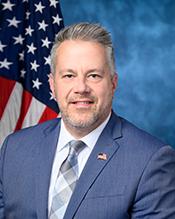
Rep. Eric Sorensen