State Disposal Landfill, Inc.
EAST BELTLINE BETWEEN 4 MILE RD NE & 5 MILE RD NE, Grand Rapids, Michigan, 49505
Listed1990
Contaminants:Not yet published
Overview
State Disposal Landfill, Inc. is a 37.6-acre former waste disposal facility in Plainfield Township, near Grand Rapids, Michigan. It accepted residential and commercial waste from 1966 to 1976, and unconfirmed reports suggest it may have also taken in liquid hazardous waste. The site was proposed to the National Priorities List (NPL), the federal list of priority Superfund cleanup sites, in 1988 and formally listed in 1990. Waste Management Inc. is identified as the liable party, and the Michigan Department of Environment, Great Lakes, and Energy (EGLE) continues working with potentially responsible parties on cleanup strategies.
The site contaminated both soil and groundwater with hazardous chemicals. Groundwater sampling in 2017 and 2018 found perfluorooctanoic acid (PFOA), a man-made chemical linked to health concerns, in one private well east of the landfill at 26 parts per trillion (ppt). EGLE's cleanup standard for PFOA and perfluorooctanesulfonic acid (PFOS) combined is 70 ppt. Of 45 residential wells sampled, most showed no detected contaminants, and none exceeded that combined standard. EGLE is also investigating whether contamination sources separate from the landfill may exist.
Several protective measures are already in place. From 1985 to 1991, residents with affected wells received bottled water and point-of-use treatment devices. In 1991, some affected residences were connected to the public water supply. The landfill has been capped, vented for gases, and fenced. In 2006, the cap and leachate collection system were upgraded. Human exposure is currently under control, meaning assessments show no unacceptable exposure pathways. However, groundwater migration is not yet stabilized, and EPA cannot draw firm conclusions about the extent and movement of contamination.
Cleanup work is divided into operable units (OUs), which are distinct areas or media types addressed separately. OU 01 covers the landfill itself and is led by the state. OU 02 focuses on groundwater. A remedial investigation and feasibility study for OU 01 ran from November 1990 through December 1995, with remedial design completed by December 2004 and remedial action beginning in May 2005. The groundwater investigation for OU 02 was completed in April 1998. A final remedy has not yet been selected, construction is not complete, and the site remains on the NPL.
Community members with questions can contact the U.S. Environmental Protection Agency (EPA) Remedial Project Manager. The Superfund Redevelopment Program also provides site-specific assistance to guide future reuse of the property.
Contaminants of Concern
The EPA has not published an official contaminant record for this site.
Congressional Representation
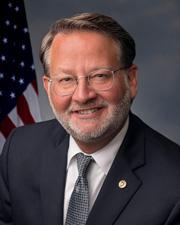
Sen. Gary C. Peters
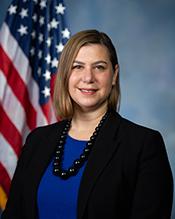
Sen. Elissa Slotkin
Rep. Hillary J. Scholten