Bay City Middlegrounds
800 EVERGREEN DRIVE, Bay City, Michigan, 48706
Proposed2/13/1995
ContaminantsNot yet published
Overview
The Bay City Middlegrounds site covers 43 acres on Middleground Island in Bay City, Michigan. The landfill accepted waste from 1956 to 1984 and was proposed for the National Priorities List (NPL), the federal government's roster of priority contaminated sites, in February 1995. Cleanup work has been ongoing since the mid-1990s, though the site has not yet been formally finalized on the NPL.
The landfill contaminated both soil and groundwater with hazardous chemicals. The main health concern is people ingesting or coming into contact with those contaminants. EPA assessments find that human exposure is currently under control, meaning no unacceptable exposure pathways exist and the site is secure. Contaminated groundwater is stabilized in its original area, with no unacceptable discharge reaching surface water.
Cleanup involved both federal and state actions, along with work by potentially responsible parties. The long-term remedy included containing contaminated soil, treating contaminated groundwater, installing a clay cap and a leachate collection system, and setting up ongoing groundwater monitoring. Construction of that remedy was completed in 2004. The Michigan Department of the Environment, Great Lakes, and Energy (EGLE) now handles operation and maintenance at the site, and those activities are ongoing. The site is divided into two operable units: one covering the sitewide area and one focused on the SEMS (Sediment Environmental Management System) area. A combined Remedial Investigation and Feasibility Study for the SEMS unit ran from June 1997 through September 2003 under state oversight. A State Performed Consent Decree for the sitewide unit was finalized in June 1998.
Physical construction is not yet complete across the entire site, and it is not yet ready for anticipated reuse. Cleanup goals have not been fully achieved at all portions of the site, required land-use restrictions may not yet be fully in place, or construction completion status has not been reached. EPA continues monitoring groundwater to confirm contamination remains within the original area.
Community members with questions can reach out directly to EPA staff. Diane Russell serves as the Community Involvement Coordinator and can be contacted by phone or email. Nabil Fayoumi is the Remedial Project Manager and is also available for technical questions about the cleanup.
Contaminants of Concern
The EPA has not published an official contaminant record for this site.
Congressional Representation
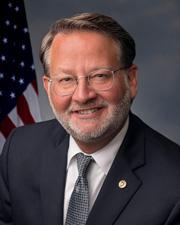
Sen. Gary C. Peters
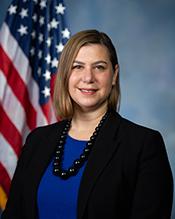
Sen. Elissa Slotkin
Rep. Kristen McDonald Rivet
