Reilly Tar & Chemical Corp. (Dover Plant)
THIRD ST, Dover, Ohio, 44622
Listed1990
Contaminants:12
Overview
Coal tar refining ran at this 3.7-acre site in Dover, Ohio, from 1932 to 1956. Those operations left behind soil and groundwater contaminated with coal tar wastes, including chemicals like benzene, naphthalene, toluene, phenol, and several other petrochemicals found across soil, groundwater, sediment, and debris. EPA added the site to the National Priorities List in 1990, which flagged it for formal investigation and cleanup.
Major cleanup construction wrapped up in September 2000. Work included removing tarry materials, excavating and disposing of contaminated soil, capping portions of the site, and setting up a groundwater control and tar removal system. A performing Potentially Responsible Party, meaning a company with legal responsibility for the cleanup, handled operations until early 2017, when it stopped due to bankruptcy. EPA took over operations a few months later and continues to run the remedy today.
Contamination at the site covers a range of chemicals. Benzene, ethylbenzene, naphthalene, phenol, styrene, toluene, and xylene appear in soil, groundwater, and sediment. Chromium and lead are detected in groundwater, and barium shows up in debris as well. EPA identified these contaminants of concern by evaluating who and what could be exposed, measuring contamination levels, and assessing potential health and ecological effects.
The site's current status is that physical construction is complete, but human exposure is not yet under control and contaminated groundwater is still moving. EPA completed its fifth five-year review on May 8, 2025, and found the remedy currently protects human health and the environment. However, several actions are still needed. EPA is investigating the extent of tar-derived material and contaminants in groundwater to decide whether the current remedy should stay, be updated, or be replaced. Plans also call for inspecting the site cap for erosion or animal damage, developing an Institutional Control Implementation and Assurance Plan, and installing a permanent fence once the groundwater investigation is complete. The site has not yet been deleted from the National Priorities List.
Community members with questions can contact the EPA's Community Involvement Coordinator or Remedial Project Manager.
Contaminants of Concern
12 contaminants across 4 media types
- 2-METHYLPHENOL (O-CRESOL)SoilSedimentGroundwater
- 4-METHYLPHENOL (P-CRESOL)SoilSedimentGroundwater
- BENZENE▾SoilSedimentGroundwater
- ETHYLBENZENESoilSedimentGroundwater
- NAPHTHALENESoilSedimentGroundwater
- PHENOLSoilSedimentGroundwater
- STYRENESoilSedimentGroundwater
- TOLUENE▾SoilSedimentGroundwater
- XYLENE (MIXED ISOMERS)▾SoilSedimentGroundwater
- BARIUMDebrisGroundwater
- CHROMIUM▾Groundwater
- LEAD▾Groundwater
Congressional Representation
Sen. Jon Husted

Sen. Bernie Moreno
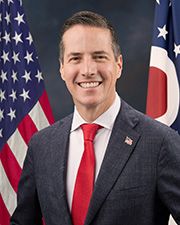
Rep. Michael A. Rulli