Refuse Hideaway Landfill
7562 U.S. Highway 14, Middleton, Wisconsin, 53562
Listed1992
Contaminants:15
Overview
Refuse Hideaway Landfill sits on 23 acres in Dane County, Middleton, Wisconsin. It operated from 1974 to 1988, accepting roughly 1.2 million cubic yards of commercial and industrial waste. That waste included paint products, glue, ink, and materials containing volatile organic compounds (VOCs). Leachate seeps found in 1986 and VOCs detected in private wells led to a court-ordered closure in 1988. The site was added to the federal Superfund National Priorities List (NPL) in October 1992.
The Wisconsin Department of Natural Resources led the original cleanup, which finished construction in September 1998. Work included upgrading the landfill cap, installing gas and leachate collection systems, and providing point-of-entry water treatment for affected homes. Later changes to the cleanup plan added monitored natural attenuation in 1998 and an aeration basin to the pump-and-treat system in 2012. Very low levels of VOCs, including tetrachloroethene, trichloroethene, and vinyl chloride, along with pesticides such as heptachlor and p,p'-DDT, and other substances including benzene, iron, and manganese, remain in soil and groundwater. EPA identified 17 contaminants of concern in total.
Human exposure is currently under control across the entire site, meaning no unacceptable exposure pathways exist right now. Contaminated groundwater is stabilized, and no unacceptable discharge to surface water is occurring. Operations and maintenance work is ongoing under state performance. Land-use restrictions, including zoning rules that block residential development, are in place to protect the cap and prevent people from using groundwater. These continuing obligations have been in force since 2013. The site reached "sitewide ready for anticipated reuse" status in September 2014 and has not been deleted from the NPL.
EPA conducts five-year reviews to check whether the cleanup continues to protect people and the environment. The most recent review was completed in July 2022, and the next is estimated between July and September 2027. The Superfund Redevelopment Program works with the community to support productive reuse of the site within the limits set by existing land-use controls.
Community members with questions can contact the EPA's Remedial Project Manager.
Contaminants of Concern
15 contaminants across 2 media types
- 1,2-DICHLOROETHANEGroundwaterSolid Waste
- 1,2-DICHLOROPROPANEGroundwaterSolid Waste
- BENZENE▾GroundwaterSolid Waste
- BIS(2-ETHYLHEXYL)PHTHALATEGroundwaterSolid Waste
- BROMOMETHANEGroundwaterSolid Waste
- CHLOROETHENE (VINYL CHLORIDE)▾GroundwaterSolid Waste
- CHLOROFORMGroundwaterSolid Waste
- CIS-1,2-DICHLOROETHENEGroundwaterSolid Waste
- HEPTACHLORGroundwaterSolid Waste
- IRONGroundwaterSolid Waste
- MANGANESE▾GroundwaterSolid Waste
- P,P'-DDTGroundwaterSolid Waste
- TETRACHLOROETHENE▾GroundwaterSolid Waste
- TRANS-1,2-DICHLOROETHENEGroundwaterSolid Waste
- TRICHLOROETHENE▾GroundwaterSolid Waste
Congressional Representation
Sen. Tammy Baldwin

Sen. Ron Johnson

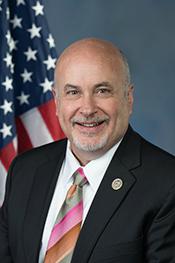
Rep. Mark Pocan