Delfasco Forge
114 NE 28TH STREET, Grand Prairie, Texas, 75050
Listed2018
Contaminants:11
Overview
Delfasco Forge operated as a munitions manufacturing and forge facility in Grand Prairie, Texas from the 1950s until 1998. Chlorinated solvents from that operation contaminated soil and groundwater at the site. The EPA added Delfasco Forge to the National Priorities List (NPL) in September 2018, making it an official Superfund site. Active remedial work began on September 11, 2025, with an estimated completion window of September through November 2028.
The site has thirteen identified contaminants of concern, all chlorinated solvents and related compounds. They include trichloroethene (TCE), tetrachloroethene, vinyl chloride, 1,4-dioxane, chloroform, and several dichloroethene and dichloroethane variants. These chemicals were found in groundwater, soil, and soil gas. TCE was detected in all three media, making it the most widespread contaminant. Subsurface contamination has seeped into indoor air at nearby homes. A 2008 investigation found TCE in the indoor air of ten out of eighteen homes and commercial buildings tested. A 2009 study found a link between TCE levels in residents' blood and indoor air, suggesting people may absorb the chemical through breathing. Up to 74 residential and commercial structures above the contamination could be affected. Human exposure is not yet under control, and contaminated groundwater continues to move.
The EPA has taken several steps to reduce exposure over the years. In 2008, vapor mitigation systems were installed at four homes with the highest TCE levels under the Superfund Removal program. After the facility owners filed for bankruptcy in July 2008, settlement funds allowed the EPA to expand that effort. Mitigation systems were offered to about 80 homes above the contamination plume, and 31 residents accepted them. Those systems were installed in 2014. The EPA has also conducted groundwater sampling six times since 2023 through 2024, with some events including indoor air and soil gas measurements. The selected remedy for the source area includes soil vapor extraction, sub-slab depressurization, activated carbon-based treatment, chemical reduction, and anaerobic bioremediation of groundwater and soil.
The EPA is working alongside the Texas Commission on Environmental Quality (TCEQ) and the City of Grand Prairie on the cleanup. The EPA continues to offer sampling and vapor mitigation systems to affected residents. A public meeting was held on April 9, 2026, at the Tony Shotwell Life Center in Grand Prairie, covering indoor air assessments, investigation findings, and the cleanup strategy. The meeting was conducted in both English and Spanish. Community members with questions can contact the EPA's Community Involvement Coordinator or the City of Grand Prairie at 972-237-8225. Public documents related to the site can be viewed at the Tony Shotwell Life Center at 2750 Graham Street in Grand Prairie.
Contaminants of Concern
11 contaminants across 3 media types
- TRICHLOROETHENE▾SoilSoil GasGroundwater
- 1,1-DICHLOROETHANEGroundwater
- 1,1-DICHLOROETHENEGroundwater
- 1,1,2-TRICHLOROETHANEGroundwater
- 1,2-DICHLOROETHANEGroundwater
- 1,4-DIOXANEGroundwater
- CHLOROETHENE (VINYL CHLORIDE)▾Groundwater
- CHLOROFORMGroundwater
- CIS-1,2-DICHLOROETHENEGroundwater
- TETRACHLOROETHENE▾Groundwater
- TRANS-1,2-DICHLOROETHENEGroundwater
Congressional Representation
Sen. John Cornyn

Sen. Ted Cruz

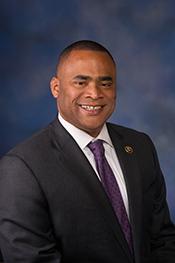
Rep. Marc A. Veasey