West County Road 112 Ground Water
INT. BETWEEN CTY ROAD (CR) 112 & CR 1205, Midland, Texas, 79706
Listed2011
Contaminants:Not yet published
Overview
A chromium plume runs roughly one mile through Midland County, Texas, southwest of the city of Midland. The contamination sits in the Ogallala aquifer and upper water-bearing sands, and higher chromium levels above 10 micrograms per liter have been found across an area about two miles long. The plume is slowly moving to the south-southeast but has stayed relatively stable in size and concentration. The source of the contamination has not been identified, and investigations are ongoing.
The contamination came to light in April 2009 when a nearby resident asked for well testing after noticing yellow discoloration in their water. The site was added to the EPA's National Priorities List on March 10, 2011. A combined remedial investigation and feasibility study, the process used to evaluate cleanup options, began in September 2010 and is still underway. No long-term cleanup remedy has been selected yet.
The Texas Commission on Environmental Quality (TCEQ) has installed water filtration systems at homes where total chromium exceeds 100 micrograms per liter, the drinking water standard. TCEQ provides those systems and their maintenance at no cost to residents. Testing in 2013 found that contamination is also building up in residential yard soil from irrigating with contaminated groundwater. To limit further exposure, drilling new water wells in the affected area is restricted, and the EPA has published a map showing the restricted zone.
Human exposure is currently listed as under control, meaning assessments show no unacceptable exposure pathways at this time. However, groundwater migration is not yet under control, meaning the spread of contaminated groundwater has not been stabilized. Physical cleanup construction has not started, and the site has not met all criteria needed to be considered ready for its anticipated use.
The site currently hosts 94 businesses employing 760 people and generating about $171 million in annual sales. Institutional controls, including zoning restrictions that limit residential development, are in place to reduce exposure while cleanup planning continues. Community members can review site documents, consult the Restricted Water Well Drilling Notice, or contact the EPA's Community Involvement Coordinator or Remedial Project Manager. For state-related questions, contact TCEQ.
Contaminants of Concern
The EPA has not published an official contaminant record for this site.
Congressional Representation
Sen. John Cornyn

Sen. Ted Cruz

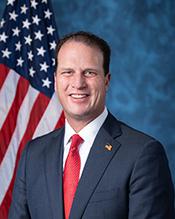
Rep. August Pfluger