Main Street Ground Water Plume
COUNTY ROAD 340, Burnet, Texas, 78611
Listed2015
Contaminants:Not yet published
Overview
A former dry-cleaning facility that operated from 2003 to 2015 released PCE (perchloroethylene, also called tetrachloroethylene) into groundwater in and south of Burnet, Texas. That contamination spread into a plume affecting multiple water wells. EPA added the site to the National Priorities List in September 2015, and a remedial investigation began in July 2016. No cleanup remedy has been selected yet.
PCE has been detected in nine groundwater wells, including two public supply wells and seven private wells. In most of those wells, PCE stays below EPA's maximum contaminant level of 5 micrograms per liter, which is the legally safe drinking water limit. However, four wells, including one EPA monitoring well, have shown levels above that limit. The highest reading was 18 micrograms per liter in the EPA monitoring well. The wells currently exceeding the limit are used only for irrigation and livestock watering, not drinking. EPA has classified PCE as likely to be carcinogenic to humans. Long-term exposure can harm the nervous system, kidneys, liver, immune system, and reproductive system, and workplace studies have linked PCE to bladder cancer, non-Hodgkin lymphoma, and multiple myeloma.
EPA is running a combined remedial investigation and feasibility study covering the site as a single operable unit. New monitoring wells have been installed, and soil sampling began in March 2018 to find out whether contaminated soil is still releasing PCE into groundwater. EPA is also sampling PCE in soils and air to assess inhalation risks. According to EPA performance measures, human exposure and groundwater migration are both under control, though physical cleanup construction has not started and the site is not yet ready for its anticipated future use.
Once the investigation wraps up, EPA will complete a human health and environmental risk assessment. After that, EPA will hold a Proposed Plan Meeting in Burnet to present its preferred cleanup option. Community members can submit written comments before EPA issues a final decision in a document called the Record of Decision. City officials are notified whenever EPA conducts field work. Public information sessions were held in 2016 to explain the Superfund process.
Community groups can apply for a Technical Assistance Grant from EPA, which provides up to $50,000 to hire an independent technical expert to review EPA reports and cleanup plans. Site records are available at two public repositories: Herman Brown Library in Burnet and the City of Bertram Library in Bertram, Texas. For questions, contact EPA's Community Involvement Coordinator Curtizia Alexander or Remedial Project Manager Mark Stead.
Contaminants of Concern
The EPA has not published an official contaminant record for this site.
Congressional Representation
Sen. John Cornyn

Sen. Ted Cruz

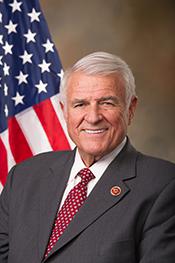
Rep. John R. Carter