Quality Plating
RT 2, Sikeston, Missouri, 63801
Listed1986
Contaminants:7
Overview
Quality Plating was a contract electroplating facility in Sikeston, Missouri that operated from 1978 until a fire destroyed it in early 1983. Improper disposal of waste left the soil and groundwater contaminated with hexavalent chromium, lead, and other metals. The EPA placed the site on the National Priorities List in June 1986, making it eligible for federal Superfund cleanup funding.
Seven contaminants of concern have been identified at the site, all found in groundwater. They are chromium, chromium(VI), iron, lead, manganese, nickel, and zinc. The main concern driving cleanup decisions is hexavalent chromium, which is more toxic and mobile than its trivalent form.
Cleanup has moved through several phases. In 1992, EPA removed about 900 cubic yards of contaminated sludge pit waste. EPA originally selected a pump-and-treat groundwater remedy in January 1995, but sampling during the design phase showed hexavalent chromium concentrations dropping on their own. In September 1999, EPA amended the remedy to rely on monitored natural attenuation instead. This approach lets natural processes convert hexavalent chromium to the less toxic trivalent form over time. Physical construction work across the site is complete, and the site achieved sitewide readiness for its anticipated reuse in May 2021. Human exposure is currently under control, and contaminated groundwater remains stable in its original area with no unacceptable discharge to surface water.
Hexavalent chromium levels are still declining but remain above the remediation goal of 18 micrograms per liter in some monitoring wells. EPA's most recent Five-Year Review, completed September 3, 2024, confirmed the remedy is protective of human health and the environment in the short term. The Missouri Department of Natural Resources conducts annual groundwater sampling, with the next round scheduled for fall 2025. If monitoring over five years shows no meaningful decrease in contamination or signs that the plume is expanding, EPA will return to the original 1995 approach of extracting and treating groundwater.
Community members with questions can contact the EPA's Community Involvement Coordinator. Technical questions can go to the EPA Remedial Project Manager, and state-level questions can be directed to the Missouri Department of Natural Resources.
Contaminants of Concern
7 contaminants across 1 media type
- CHROMIUM▾Groundwater
- CHROMIUM(VI)▾Groundwater
- IRONGroundwater
- LEAD▾Groundwater
- MANGANESE▾Groundwater
- NICKEL▾Groundwater
- ZINC▾Groundwater
Congressional Representation
Sen. Josh Hawley

Sen. Eric Schmitt
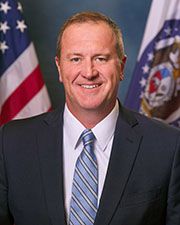
Rep. Jason Smith