Former United Zinc & Associated Smelters
HIGHWAY 54 & KANSAS DRIVE, Iola, Kansas, 66749
Listed2013
Contaminants:2
Overview
Four zinc and lead smelting plants operated in Iola, Kansas between about 1900 and 1920. When they closed, they left behind lead, arsenic, and cadmium contamination in soil, groundwater, streams, and stream sediment across the city. The site was added to the National Priorities List (NPL) in May 2013, making it eligible for federal Superfund cleanup funding and oversight.
Lead and arsenic are the main contaminants of concern in residential soil. A Human Health Risk Assessment found both pose unacceptable risks, primarily through ingesting contaminated soil. The chosen remedy for residential areas involves digging out the contaminated soil, disposing of it offsite, replanting vegetation, and putting institutional controls in place to prevent future exposure. The EPA selected this remedy in June 2017 through a Record of Decision for Operable Unit 1, which covers residential properties.
Cleanup of residential properties has been the most active part of the work. The EPA completed earlier removal actions at 415 properties between 2006 and 2018. As of February 2026, 1,238 of approximately 1,361 contaminated residential properties have been cleaned up, out of roughly 3,094 properties that were sampled. The EPA expects to finish the remaining residential work by 2027. The former smelter properties themselves are still being investigated, with a proposed cleanup decision expected between May and July 2028. Human exposure is currently under control at the site, though physical construction is not yet complete.
The site has also seen productive reuse. The United School District 257 built a new elementary school on a remediated parcel, with classes beginning in the 2023 school year. As of December 2024, seven businesses operate on the site, employing 44 people and generating about $13.3 million in annual sales.
Residents can find out whether their property has been tested or qualifies for cleanup by contacting EPA Remedial Project Managers Trenton Chriestenson or Sara Ridinger. The EPA is currently seeking access to properties where soil lead levels exceed 400 parts per million, with remediation work planned to begin in spring 2026. The EPA Community Involvement Coordinator for Region 7, Shaylee Borcsani, can connect community members with resources and information. The EPA also offers a free program called Technical Assistance Services for Communities, which provides scientists and engineers to help residents understand the cleanup process, review technical documents, and participate in community meetings.
Contaminants of Concern
2 contaminants across 1 media type
- ARSENIC▾Soil
- LEAD▾Soil
Congressional Representation
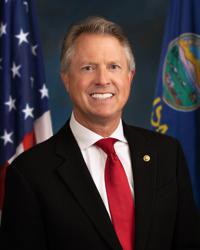
Sen. Roger Marshall
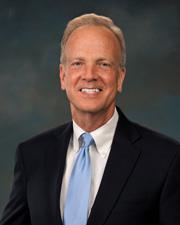
Sen. Jerry Moran
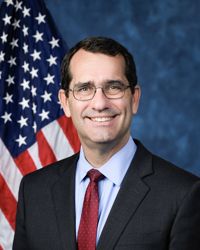
Rep. Derek Schmidt