Portland Cement (Kiln Dust 2 & 3)
1000 SO. REDWOOD ROAD, Salt Lake City, Utah, 84116
Listed1986
Contaminants:7
Overview
The Portland Cement site covers 71 acres in Salt Lake City, Utah. Between 1963 and 1983, about 500,000 cubic yards of cement kiln dust were deposited there as fill material. That dust contained arsenic, cadmium, chromium, lead, manganese, and molybdenum. The site also received chromium-bearing bricks. These materials contaminated soil, groundwater, and air. EPA placed the site on the National Priorities List (NPL) in June 1986. The NPL is the federal list of sites that warrant cleanup under the Superfund program.
Cleanup was organized into three operable units. The first addressed cement kiln dust and soil through excavation, off-site disposal, and institutional controls. The second covered contaminated structures and soil, using excavation, solidification, engineered caps, and off-site disposal. The third addressed groundwater through monitored natural attenuation and institutional controls. Construction of the cleanup was completed in August 1998. Groundwater monitoring and operation and maintenance work have continued under EPA oversight since September 1998.
Current exposure pathways, including ingestion or skin contact with contaminated soil or groundwater and inhalation of contaminated dust, are under control according to EPA assessments. Groundwater migration is stabilized, and contaminated groundwater is not discharging unacceptably to surface water. All cleanup goals for current and anticipated future uses of the site have been met, with required land-use restrictions in place. The site achieved sitewide ready-for-anticipated-reuse status in June 2006 and now hosts 25 businesses employing 189 people with about $31.9 million in annual sales. The site has not yet been deleted from the NPL.
EPA conducts five-year reviews to confirm the remedy continues to protect human health and the environment. The most recent review was completed in September 2022, and the next is estimated between September and November 2027. Long-term protectiveness depends on using correct analytical methods and submitting semi-annual groundwater sampling reports on time.
Community members who want to stay involved can contact the EPA Remedial Project Manager, Benjamin Rule, by email or phone. The Utah Department of Environmental Quality (UDEQ) also has two contacts available for questions. Public records for the site can be reviewed at the UDEQ Division of Environmental Response and Remediation in Salt Lake City or at the EPA Superfund Records Center in Denver, Colorado.
Contaminants of Concern
7 contaminants across 4 media types
- CHROMIUM▾SoilDebrisGroundwaterSolid Waste
- ARSENIC▾SoilGroundwaterSolid Waste
- CADMIUM▾SoilGroundwaterSolid Waste
- LEAD▾SoilGroundwaterSolid Waste
- MOLYBDENUMSoilGroundwaterSolid Waste
- CEMENT KILN DUSTSoilDebris
- MANGANESE▾Groundwater
Congressional Representation
Sen. John R. Curtis

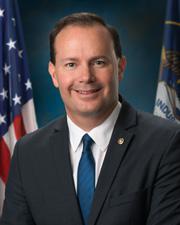
Sen. Mike Lee
Rep. Blake D. Moore