TRW Microwave, Inc. (Building 825)
825 STEWART DR, Sunnyvale, California, 94086
Listed1990
Contaminants:10
Overview
TRW Microwave, Inc. (Building 825) sits in Sunnyvale, California, where microwave and semiconductor manufacturing from the 1960s through the 1990s released solvents and other chemicals into soil and groundwater. EPA added the site to the National Priorities List in 1990. It is one of three neighboring industrial sites whose contaminated groundwater plumes commingle, forming a cluster known as the "Triple Site."
Ten contaminants of concern have been identified, all found in groundwater. They are chlorinated solvents and breakdown products, including trichloroethene (TCE), tetrachloroethene, 1,1,1-trichloroethane, vinyl chloride, and several dichloroethene and dichloroethane compounds. The groundwater plume extends more than a mile north of the site, past Highway 101, and overlies more than 400 residences and at least four schools.
Cleanup has included removing underground storage tanks and spent solvent tanks, excavating contaminated soil, and running on-site groundwater extraction wells with an air stripper from 1985 to 2001. Enhanced anaerobic bioremediation started in 2000 and continues. Off-site extraction wells north of Highway 101 now treat groundwater at the Philips on-site treatment system. Building 825 was renovated and redeveloped as commercial office space, and a passive subslab ventilation system was installed in 2014. Indoor air sampling in 2015 confirmed contamination levels meet EPA health standards for commercial use. EPA has sampled more than 250 buildings in the neighboring residential area and installed 20 mitigation systems in homes and classrooms where TCE vapor levels were unacceptable.
EPA's 2024 Five-Year Review concluded the current remedy protects human health for the on-site commercial building, supported by a land use covenant. However, EPA indicated it needs to select a revised groundwater remedy because the original 1991 extraction and treatment system is no longer in place. Human exposure at the site is considered under control, groundwater migration is stabilized, and drinking water in the area is supplied by the Hetch Hetchy Reservoir and deep uncontaminated aquifers. The site has not yet been deleted from the National Priorities List.
Community members can contact EPA's Community Involvement Coordinator or the Remedial Project Manager. A large collection of public documents is available, including vapor intrusion reports, groundwater monitoring records, five-year reviews, and land use control documents.
Contaminants of Concern
10 contaminants across 1 media type
- 1,1-DICHLOROETHANEGroundwater
- 1,1-DICHLOROETHENEGroundwater
- 1,1,1-TRICHLOROETHANEGroundwater
- 1,1,2-TRICHLORO-1,2,2-TRIFLUOROETHANEGroundwater
- 1,2-DICHLOROBENZENEGroundwater
- CHLOROETHENE (VINYL CHLORIDE)▾Groundwater
- CIS-1,2-DICHLOROETHENEGroundwater
- TETRACHLOROETHENE▾Groundwater
- TRANS-1,2-DICHLOROETHENEGroundwater
- TRICHLOROETHENE▾Groundwater
Congressional Representation
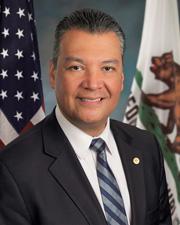
Sen. Alex Padilla
Sen. Adam B. Schiff

Rep. Ro Khanna