McColl
ROSECRANS & SUNNY RIDGE, Fullerton, California, 92833
Listed1983
Contaminants:15
Overview
The McColl site covers 22 acres in Fullerton, California, where petroleum refinery waste was dumped into 12 unlined pits between 1942 and 1946. The site was added to the National Priorities List in 1983 and is also known as the Ramparts and Los Coyotes Tracts site. Today the capped waste area sits within the boundaries of Los Coyotes Country Club, which integrated three championship golf holes into the property after cleanup construction finished in 1998.
EPA identified 22 contaminants of concern across air, soil, and groundwater. These include volatile organic compounds such as benzene, toluene, xylene, and dichloromethane. Polycyclic aromatic hydrocarbons including naphthalene and phenanthrene are present in soil and air. Heavy metals such as arsenic and cobalt appear in soil, solid waste, and groundwater. Other contaminants include acetone, ethylbenzene, sulfur dioxide, and bis(2-ethylhexyl)phthalate.
The main cleanup actions were completed in 1998. Responsible parties built an engineered cap and a below-grade soil slurry wall around the waste pits to prevent water from getting in and waste from moving out. A gas collection and treatment system captures underground gases. Groundwater is managed through monitoring, surface water controls, and institutional controls. The site achieved readiness for anticipated reuse in 2006. Operation and maintenance continue today, with state oversight for the original analysis area and EPA oversight for the source area.
EPA's most recent five-year review, completed in September 2022, confirmed that the remedies protect public health and the environment. Human exposure is under control, with no unacceptable exposure pathways identified. Contaminated groundwater is stabilized in its original area and is not discharging to surface water at unacceptable levels. A new remedial investigation and feasibility study for the groundwater operable unit began in September 2019 and is estimated to be completed between December 2027 and February 2028, with remedial design work expected to follow. The site has not yet been deleted from the National Priorities List.
Community members can review site documents at the Fullerton Public Library at 353 West Commonwealth Avenue, Fullerton, CA 92632. The complete EPA site file is kept at the Superfund Records Center in San Francisco at 75 Hawthorne Street. Questions can be directed to EPA's Community Involvement Coordinator, David Yogi, or Remedial Project Manager, Kuceli Mari. The California Department of Toxic Substances Control also oversees the site and can be reached through state contact Ram Peddada.
Contaminants of Concern
15 contaminants across 6 media types
- ARSENIC▾AirSoilOtherSolid Waste
- 2-METHYLNAPHTHALENEAirSoilOther
- BENZENE▾AirSoilSolid Waste
- BIS(2-ETHYLHEXYL)PHTHALATEAirSoilOther
- NAPHTHALENEAirSoilOther
- PHENANTHRENEAirSoilOther
- SULFUR DIOXIDEAirSoilSolid Waste
- 2-BUTANONE (METHYL ETHYL KETONE)Air
- ACETONEAir
- COBALTGroundwater
- DICHLOROMETHANE (METHYLENE CHLORIDE)Air
- ETHYLBENZENEAir
- NOT PROVIDEDDebris
- TOLUENE▾Air
- XYLENE (MIXED ISOMERS)▾Air
Congressional Representation
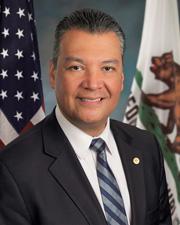
Sen. Alex Padilla
Sen. Adam B. Schiff

Rep. Derek Tran