Pacific Coast Pipe Lines
67 E TELEGRAPH RD, Fillmore, California, 93015
Listed1989
Contaminants:16
Overview
The Pacific Coast Pipe Lines site covers 55 acres in Fillmore, California, where an oil refinery operated from 1928 to 1950. Improper disposal left behind contaminated soil and groundwater. EPA added the site to the National Priorities List (NPL) in October 1989. The soil portion was partially deleted from the NPL in March 2018 after cleanup goals were met. The groundwater portion remains on the list and is still being cleaned up.
Soil contaminants include lead, polycyclic aromatic hydrocarbons (PAHs) such as benzo(a)pyrene and naphthalene, and several petroleum-related compounds including benzene, toluene, ethylbenzene, and xylene. Groundwater contaminants include benzene, toluene, ethylbenzene, xylene, 1,2-dichloroethane, and dichloromethane. EPA has identified 19 contaminants of concern across both soil and groundwater at the site.
About 42,000 cubic yards of contaminated soil were excavated and placed in an on-site consolidation area covered by a multi-layer cap. That work wrapped up in 2014. Since 2015, a soil vapor extraction system has pulled 38 pounds of benzene and 24 pounds of toluene from deep soil. Groundwater cleanup continues under a consent decree, with Chevron doing the work under EPA oversight. When the vapor extraction system becomes inefficient, EPA will either install a bioremediation system or use monitored natural attenuation. A land use covenant recorded in August 2016 limits the property to commercial and recreational use. It cannot be used for residences or schools. Chevron owns the property, and it is currently leased to Cenergy Power for solar energy development.
EPA assessments confirm there are no current unacceptable exposure pathways for people. No one is drinking groundwater at the site, so contaminated water poses no active risk. Groundwater contamination is stabilized in its original area and is not discharging to surface water at unacceptable levels. EPA conducts five-year reviews to confirm the cleanup stays protective. The most recent review was completed in August 2021, and the next is expected between August and October 2026.
Community members with questions can contact EPA's Community Involvement Coordinator or the Remedial Project Manager. The responsible party, Chevron, can be contacted through Leslie Klinchuch at (661) 412-6351 or leslieklinchuch@chevron.com.
Contaminants of Concern
16 contaminants across 2 media types
- BENZENE▾SoilGroundwater
- ETHYLBENZENESoilGroundwater
- TOLUENE▾SoilGroundwater
- 1,2-DICHLOROETHANEGroundwater
- 2-METHYLNAPHTHALENESoil
- BENZO(B)FLUORANTHENESoil
- BENZO(K)FLUORANTHENESoil
- BENZO[A]ANTHRACENESoil
- BENZO[A]PYRENESoil
- CHRYSENESoil
- DIBENZO(A,H)ANTHRACENESoil
- DICHLOROMETHANE (METHYLENE CHLORIDE)Groundwater
- INDENO(1,2,3-CD)PYRENESoil
- LEAD▾Soil
- NAPHTHALENESoil
- XYLENE (MIXED ISOMERS)▾Soil
Congressional Representation
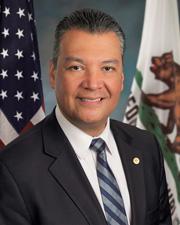
Sen. Alex Padilla
Sen. Adam B. Schiff

Rep. Julia Brownley