Operating Industries, Inc., Landfill
900 N POTRERO GRANDE DR, Monterey Park, California, 91754
Listed1986
Contaminants:71
Overview
A 190-acre landfill in Monterey Park, California operated from 1948 to 1984 and left behind widespread contamination. It was added to the National Priorities List on June 10, 1986. The site has been divided into four operable units covering overall site conditions, leachate management, gas issues, and site control with monitoring. A final remedy was selected in September 1996, and construction was completed on September 11, 2012.
EPA identified over 100 contaminants of concern across groundwater, leachate, and landfill gas. Groundwater contains volatile organic compounds such as trichloroethene, tetrachloroethene, benzene, and chloroform, along with chlorinated solvents, pesticides including aldrin and heptachlor, and heavy metals such as arsenic, lead, and mercury. Leachate contains benzene, vinyl chloride, toluene, and phthalates, plus metals like arsenic, chromium, and zinc. Landfill gas contains benzene, methane, tetrachloroethene, and trichloroethene.
Cleanup has moved through several phases. Emergency actions in the late 1980s fenced the site and controlled leachate. Long-term work addressed gas control, a landfill cap, and leachate management. A leachate treatment plant became operational after construction began in 1991. Active gas extraction wells treat and destroy landfill gas. The cap limits surface gas migration, reduces rainwater infiltration, and minimizes odors and dust. A perimeter liquids control system manages contaminated groundwater, which is stabilized in its original area with no unacceptable discharge to surface water.
Human exposure is currently under control, and groundwater migration is also under control. The site achieved sitewide ready for anticipated reuse status on September 26, 2024. The North Parcel now supports retail businesses. As of December 2024, 13 on-site businesses employ 659 people and generate roughly $148.8 million in annual sales. The site has not yet been deleted from the National Priorities List. The most recent five-year review was completed on September 24, 2025, and confirms that response actions remain protective of human health and the environment in the short term. Continued protectiveness requires technical evaluation of the natural attenuation remedy, implementation of restrictive covenants, and recording of access and easement restrictions.
Community members can review site records at EPA's Regional Records Center in San Francisco at 75 Hawthorne Street, Room 3110, or call (415) 947-8717. A copy of the five-year review report is also available at the Bruggemeyer Memorial Library in Monterey Park. Questions can be directed to the Community Involvement Coordinator or the Remedial Project Manager.
Contaminants of Concern
71 contaminants across 3 media types
- BENZENE▾LeachateGroundwaterLandfill Gas
- TOLUENE▾LeachateGroundwaterLandfill Gas
- TRICHLOROETHENE▾LeachateGroundwaterLandfill Gas
- 1,4-DIOXANELeachateGroundwater
- AMMONIALeachateGroundwater
- ARSENIC▾LeachateGroundwater
- BIS(2-ETHYLHEXYL)PHTHALATELeachateGroundwater
- CHLOROETHENE (VINYL CHLORIDE)▾LeachateGroundwater
- CHROMIUM▾LeachateGroundwater
- DICHLOROMETHANE (METHYLENE CHLORIDE)LeachateGroundwater
- TETRACHLOROETHENE▾GroundwaterLandfill Gas
- XYLENE (MIXED ISOMERS)▾LeachateGroundwater
- ZINC▾LeachateGroundwater
- 1,1-DICHLOROETHANEGroundwater
- 1,1-DICHLOROETHENEGroundwater
- 1,1,1-TRICHLOROETHANEGroundwater
- 1,1,2-TRICHLOROETHANEGroundwater
- 1,2-DICHLOROBENZENEGroundwater
- 1,2-DICHLOROETHANEGroundwater
- 1,2-DICHLOROETHENE (CIS AND TRANS MIXTURE)Groundwater
- 1,2-DICHLOROPROPANEGroundwater
- 1,2,4-TRICHLOROBENZENEGroundwater
- 1,3-DICHLOROPROPENE (EZ MIXTURE)Groundwater
- 1,4-DICHLOROBENZENEGroundwater
- 2-BUTANONE (METHYL ETHYL KETONE)Groundwater
- 4-METHYL-2-PENTANONE (METHYL ISOBUTYL KETONE)Groundwater
- ACETONEGroundwater
- ALDRINGroundwater
- ALUMINUMGroundwater
- ANTIMONYGroundwater
- BARIUMGroundwater
- BERYLLIUMGroundwater
- BETA-HEXACHLOROCYCLOHEXANEGroundwater
- BUTYL BENZYL PHTHALATEGroundwater
- CADMIUM▾Groundwater
- CALCIUMLeachate
- CARBON TETRACHLORIDEGroundwater
- CHLORDANEGroundwater
- CHLOROBENZENEGroundwater
- CHLOROFORMGroundwater
- CHROMIUM(VI)▾Groundwater
- COPPER▾Groundwater
- CYANIDEGroundwater
- DI-N-OCTYL PHTHALATEGroundwater
- DIBROMOCHLOROMETHANEGroundwater
- ENDRINGroundwater
- ETHYLBENZENEGroundwater
- FLUORIDEGroundwater
- GAMMA-HEXACHLOROCYCLOHEXANE (LINDANE)Groundwater
- HEPTACHLORGroundwater
- HEPTACHLOR EPOXIDEGroundwater
- LEAD▾Groundwater
- MANGANESE▾Groundwater
- MERCURYGroundwater
- METHANELandfill Gas
- METHOXYCHLORGroundwater
- NICKEL▾Groundwater
- NITRATEGroundwater
- NITRATE/NITRITEGroundwater
- PENTACHLOROPHENOLGroundwater
- PETROLEUMLeachate
- PHENOLLeachate
- SELENIUMGroundwater
- SODIUMLeachate
- STYRENEGroundwater
- SULFIDELeachate
- THALLIUMGroundwater
- TOTAL DISSOLVED SOLIDS (TDS)Leachate
- TOTAL SUSPENDED SOLIDS (TSS)Leachate
- TRICHLOROFLUOROMETHANEGroundwater
- VANADIUMGroundwater
Congressional Representation
Sen. Alex Padilla
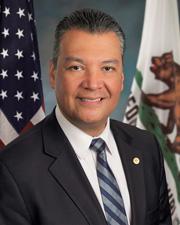
Sen. Adam B. Schiff
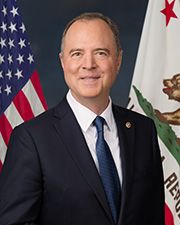
Rep. Judy Chu